Farmhouse Nightstands (Set of 2) With Built-In Charging
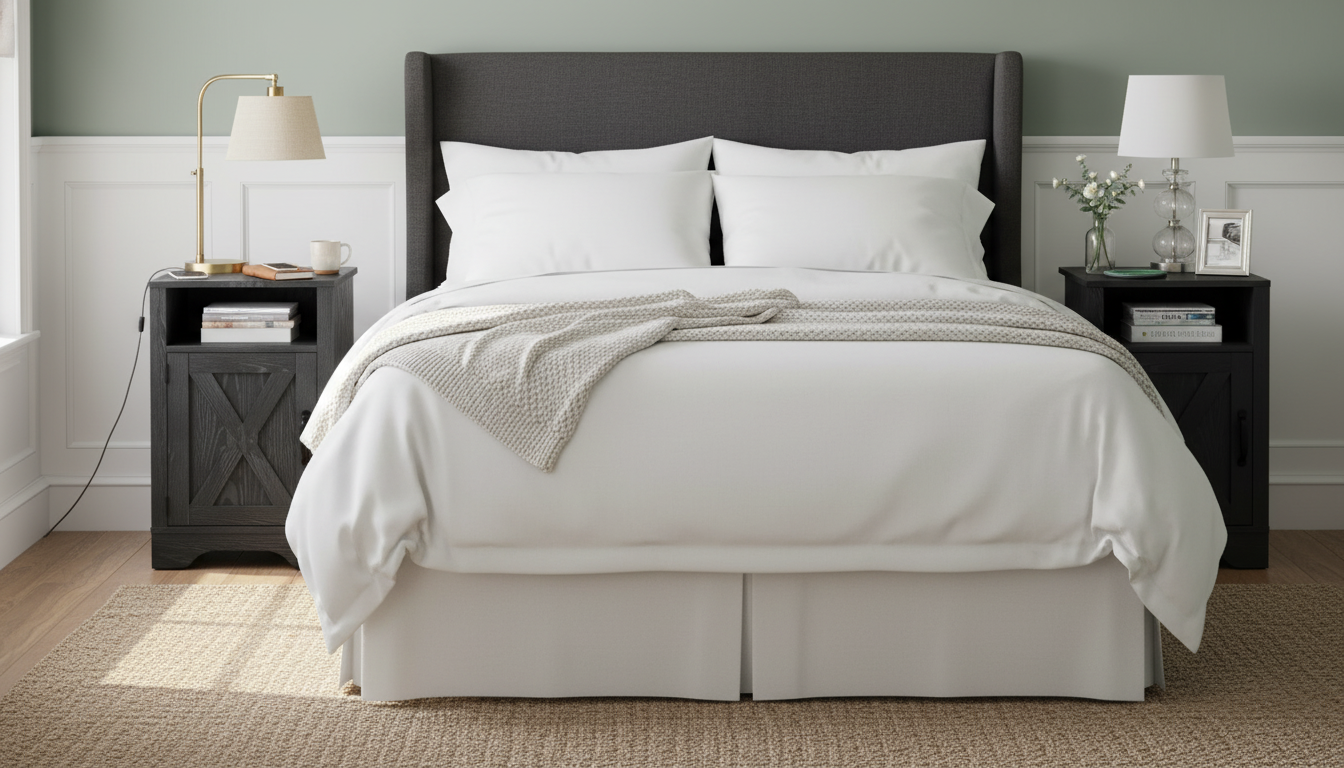
Farmhouse Nightstand Set of 2 with Charging Station: Balanced Style, Better Bedside Power
A farmhouse nightstand set with a built-in charging station keeps bedtime essentials organized while reducing cable clutter. With two matching pieces, the look stays balanced on both sides of the bed and everyday devices stay powered within reach. For shared bedrooms and guest rooms alike, a coordinated pair helps the space feel finished—without relying on extra power strips or cords draped behind the headboard.
Why a charging station belongs in the nightstand
Bedside charging is one of those small upgrades that quickly becomes non-negotiable. Instead of hunting for a loose cable or stepping over a charger on the floor, a built-in station keeps everything predictable and close at hand.
- Keeps phones, e-readers, and earbuds charging off the floor and away from walkways
- Reduces the need for extension cords running behind the bed (and the temptation to daisy-chain power)
- Creates a consistent drop zone for nightly routines: glasses, water, book, remote, and devices
For added safety, it’s worth following basic guidance on cord and outlet use—especially in tight bedroom layouts. The NFPA’s extension cord guidance and UL tips for using power strips safely are helpful references for avoiding overloads and pinched cords.
Farmhouse style details that work in real bedrooms
Farmhouse furniture earns its popularity by being both inviting and flexible. It can soften a modern room, add warmth to minimal bedding, or bridge the gap between rustic textures and cleaner contemporary lines.
- Warm, approachable finishes pair well with neutral bedding, black metal accents, and natural textures
- Simple lines help the set blend with modern farmhouse, rustic, and transitional decor
- Two-piece symmetry supports a calmer, more intentional bedroom layout—especially when lamps and wall art are centered
If you’re furnishing a guest room, a matching set also removes guesswork: visitors instantly know where to place their phone, keys, or glasses, and both sides of the bed feel equally considered.
What to look for in a set of 2 nightstands with charging
Not all charging nightstands function the same in daily use. Before buying, focus on the details that affect comfort, cable routing, and long-term durability.
- Outlet and USB placement: Easy to reach without pulling furniture away from the wall
- Cord management: A rear pass-through or a clear route for the power cord keeps things tidy
- Surface space: Enough room for a lamp plus daily items without feeling crowded
- Storage mix: A drawer for small items and an open shelf/cubby for books or baskets
- Build and stability: A solid feel, level feet, and hardware that tightens securely
Quick checklist before buying
| Check | Why it matters | How to verify at home |
|---|---|---|
| Measure bedside clearance | Prevents blocking drawers, doors, or walkways | Measure width/depth on both sides of the bed and confirm drawer swing |
| Confirm outlet access | Avoids strained cords and awkward plug angles | Locate wall outlet height and distance from bed frame |
| Plan lamp + device layout | Ensures daily items fit comfortably | Mock the top surface footprint with painter’s tape |
| Cable route | Reduces visible clutter and snag risks | Decide whether cords will run behind the nightstand or through a pass-through |
Stability is a comfort feature, too—especially when a top surface holds a lamp and charging devices. For broader home safety considerations, the CPSC furniture tip-over resource is a smart read when arranging furniture near beds, kids’ rooms, or high-traffic hallways.
Setup tips for a cleaner, safer bedside charging area
A charging station works best when the area around it is intentionally arranged. A few small setup choices can reduce clutter and help prevent wear on cords and plugs.
- Use a short, certified power cord length where possible to reduce slack behind furniture
- Keep drinks on a tray or coaster away from charging ports and cable connections
- Bundle cables with reusable ties and label frequently swapped cords (USB-C, Lightning, smartwatch)
- Avoid overloading: reserve the station for low-watt devices like phones, tablets, and small accessories
Product spotlight: Farmhouse Nightstand Set of 2 with Charging Station
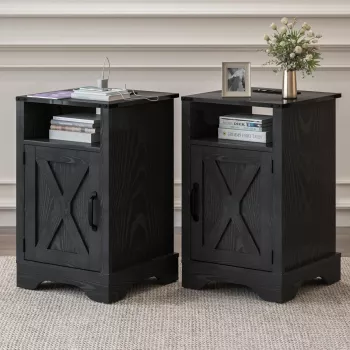
If you want matching style on both sides of the bed and a more practical place to plug in, the Farmhouse Nightstand Set of 2 with Charging Station is designed to bring farmhouse character and everyday charging convenience to the bedside. With two coordinated pieces, it’s an easy way to make a primary bedroom feel balanced—or to upgrade a guest room so visitors have a simple place to charge devices.
Coordinating pieces for a cohesive room
- Add a statement centerpiece in an adjacent sitting area with the Elegant Mirrored Coffee Table with Crystal Inlay to reflect light and brighten darker corners.
- Create a unified work-from-home corner with the 62″ Executive Desk with Double Pedestal and Natural Wood Top—a substantial, warm-toned surface that complements farmhouse-friendly palettes.
- Keep storage systems consistent: baskets and bins in similar materials (woven, canvas, or wire) help shelves and cubbies look calm instead of crowded.
FAQ
Can a nightstand charging station handle tablets and small electronics safely?
Most built-in outlets and USB ports are intended for low-watt personal devices like phones, tablets, and earbuds. Follow the manufacturer’s ratings, avoid plugging in high-draw appliances, and use certified charging cables and adapters.
How far from the wall should a nightstand with a charging station sit?
Leave enough space for plug clearance and to prevent cords from being pinched—often a small gap is all that’s needed. The ideal spacing depends on where the wall outlet sits and the plug style, so it’s best to test-fit with the actual cords you plan to use.
What’s the easiest way to hide cords on a nightstand with built-in outlets?
Route cords straight down the back of the nightstand and use any rear pass-through if available. Short cables, adhesive cable clips, and labeled ties also help keep charging lines neat and tangle-free.















Leave a comment