Home Office Decor Ideas for a Focused, Stylish Space
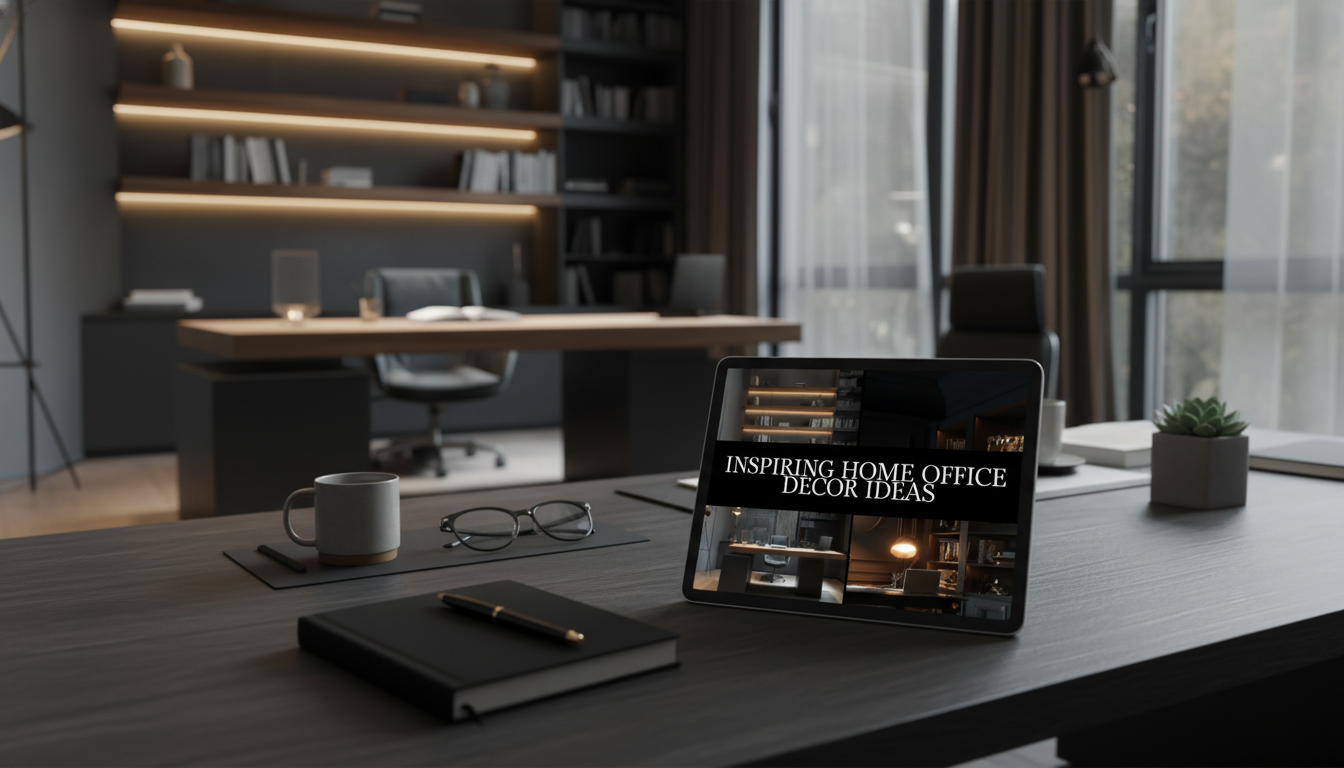
Inspiring Home Office Decor Ideas Guide: Design a Productive, Stylish, Personalized Workspace
A home office works best when it supports focus and feels like a place worth returning to. The goal isn’t to “decorate” first—it’s to shape a workspace with better flow, fewer distractions, and details that reflect personal style, so the room looks intentional, functions smoothly, and makes everyday tasks easier.
Start With the Daily Workflow, Not the Aesthetic
Before choosing a color palette or wall art, map the space to what actually happens there. List the top three tasks that happen most often—deep work, calls, and admin are common—and assign each to a simple zone: a main work surface, a speaking corner (even if it’s just a chair beside the desk), and a storage area.
Place the desk where light and sightlines reduce fatigue: natural light to the side is ideal, and angling the screen away from windows helps minimize glare. If you spend long hours at a computer, the ergonomics basics matter; the NIOSH workstation guidance is a solid reference for posture-friendly setup choices (NIOSH/CDC ergonomics resources).
Finally, decide what must live on the desktop (daily tools) versus what can move into drawers or closed storage (weekly tools). A quick rule that keeps decor from turning into clutter: pick one “anchor” piece first—usually the desk or chair—then build around it so scale and storage stay cohesive.
Choose a Style Direction That Still Feels Personal
A consistent style makes a small office feel calmer, but it should still feel like yours. Start with a base direction—modern, farmhouse, traditional, minimalist, or eclectic—then add one personal layer such as travel objects, a few art prints, or a meaningful heirloom accent.
Style-to-Decor Pairings That Stay Functional
| Style direction | Materials & colors | Decor pieces that also help productivity |
|---|---|---|
| Modern minimal | Neutral palette, matte black, light wood | Cable management box, floating shelves, simple desk lamp with adjustable arm |
| Warm traditional | Walnut tones, brass, cream textiles | Desk blotter, lidded storage boxes, framed calendar or planner board |
| Creative eclectic | Mixed woods, saturated accents, layered art | Pegboard, labeled bins, inspiration pinboard with a defined boundary |
| Scandi calm | White/soft gray, birch, linen | Minimal tray system, slim drawer unit, soft task lighting |
Layout and Furniture: Comfort Drives Consistency
If you’re ready to invest in a visual anchor with real storage, the 62″ Executive Desk with Double Pedestal and Natural Wood Top is sized to support multiple work modes and helps reduce the need for extra add-on cabinets.
Lighting Layers That Improve Mood and Focus
Place a task lamp opposite your writing hand to reduce shadows, and choose one with an adjustable height/angle so it can shift between typing, reading, and calls. Use warmer light when you want calm in the early morning or evening; use brighter neutral light for detailed work in daylight hours. If late-night screen time is common, consider how light affects rest and wind-down routines (Harvard Health on blue light and sleep).
Color, Texture, and “Visual Quiet”
Keep busy patterns away from your main sightline behind the monitor. That line-of-sight matters during long sessions, and a visually loud background can increase mental fatigue over time. If the room tends to feel stressful when it’s crowded, you’re not imagining it—environment and clutter can affect stress levels and attention (American Psychological Association resources on stress).
Desk Styling That Stays Useful (Not Just Pretty)
Personal Touches That Don’t Derail Focus
Scent and sound can also cue work mode without adding visual clutter. A subtle diffuser, a gentle playlist, or steady background noise can help the office feel intentional. If you want a step-by-step plan to pull the whole look together, the Inspiring Home Office Decor Ideas Guide – Digital Download for Productivity, Style, and Personalized Workspace Inspiration is a structured way to choose a palette, plan layout, and finish the room without overbuying.
A Simple Refresh Plan: 30 Minutes, 1 Day, 1 Weekend
Helpful Picks to Pull the Whole Room Together
If the room tends to get messy under real work pressure, pair decor upgrades with practical organization. The Storage Hacks to Reduce Visual Clutter | Printable Checklist for Home Organization, Decluttering Guide & Minimalist Storage Ideas (Digital Download) is useful for turning overflow piles into simple categories—so the office stays tidy even when deadlines hit.
Quick Match: Common Office Goals and What to Add First
| Goal | Add first | Why it works |
|---|---|---|
| More focus | Cable control + closed storage | Reduces visual noise and micro-distractions |
| More style | Rug + art in a tight palette | Adds personality without crowding the desk |
| More efficiency | Drawer organizers + labeled files | Cuts time spent searching and resetting |
| More comfort | Task lighting + ergonomic seating | Improves endurance and daily consistency |
FAQ
How can a home office look stylish without becoming distracting?
Keep to two or three finishes and a tight color palette, and place bold patterns away from the main sightline behind the monitor. Add interest through texture (wood, linen, ceramics) instead of piling on extra objects, and limit “inspiration” displays to one small, defined zone.
What are the most important decor upgrades for productivity?
Start with layout, layered lighting, cable management, and storage that clears the desktop. Once the basics reduce friction, add a few personal touches that reinforce calm and motivation without filling every surface.
What should be on a desk for an uncluttered, functional setup?
A task lamp, a tray or landing zone, one organizer system, and one personal item (plus an optional small plant) covers most needs. Everything else is easier to manage when it lives in drawers or closed storage nearby.








Leave a comment