Storage Hacks to Cut Visual Clutter + Printable Checklist
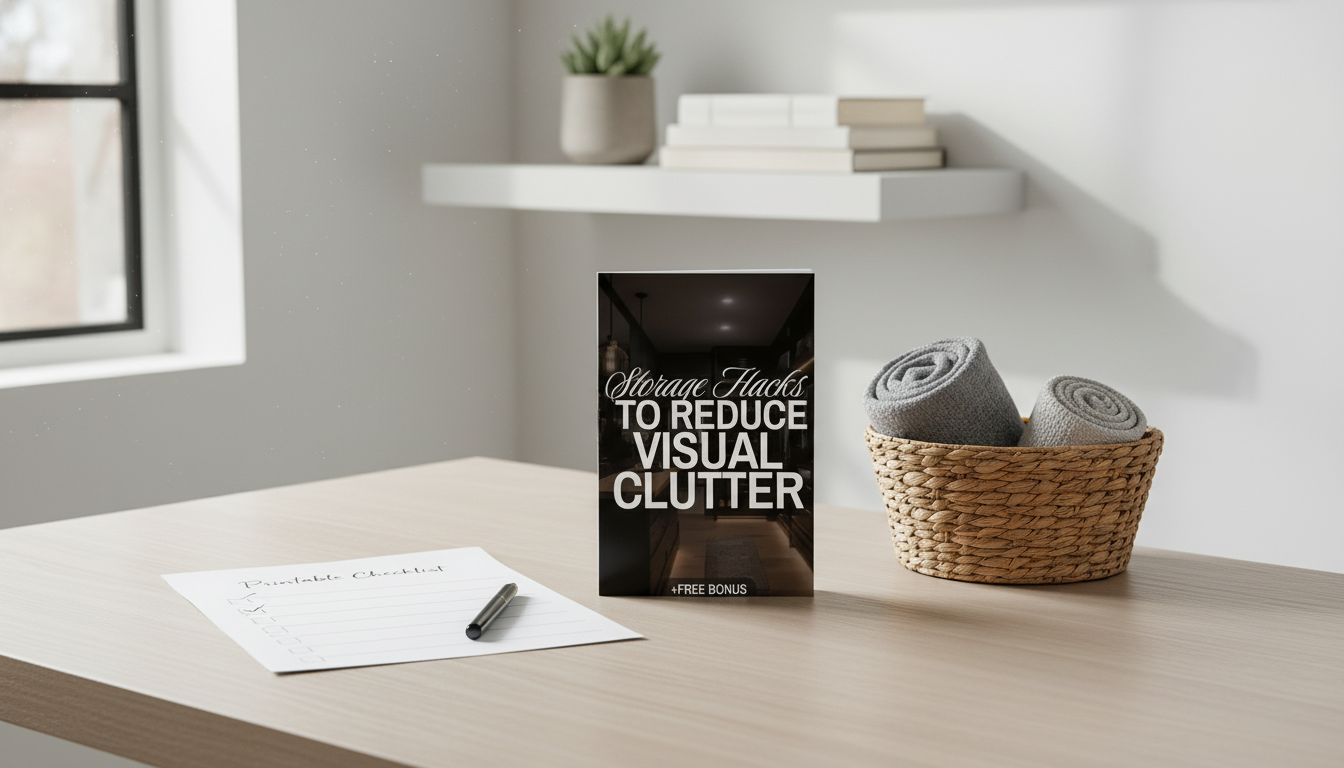
Storage Hacks to Reduce Visual Clutter: A Printable Checklist for a Calm, Minimal Home
Visual clutter builds up when everyday items don’t have a clear “home.” The fastest path to a calmer-looking space is reducing what’s out in the open, choosing a few consistent storage zones, and using simple rules that prevent clutter from returning. Small changes matter because the brain has to process everything in view—so fewer items and cleaner groupings can make a room feel more restful. For more on how clutter can affect stress and mental load, see the American Psychological Association’s coverage on clutter and stress and WebMD’s overview of clutter and mental health.
Start with a “visual clutter” reset (10 minutes per room)
This is the fastest way to make a space look intentional—without deep cleaning, reorganizing closets, or buying new organizers.
- Clear only the surfaces first: counters, coffee table, nightstand, entry console, desk top.
- Create three quick-sort bins: Put Away (has a home), Store (keep but not daily), Exit (donate/recycle/trash).
- Reset the room’s “default view”: choose 1–3 items that are allowed to stay visible (for example: a lamp, a plant, a single tray).
- Stop when surfaces are visually quiet: even if drawers and closets aren’t perfect yet. The “calm” effect comes from what’s in sight.
Minimalist storage rules that reduce what the eye tracks
When a room feels busy, it’s usually because there are too many separate shapes, labels, colors, and tiny items competing for attention. These rules reduce that “scan load.”
- Hide categories, not individual items: group like-with-like (all charging gear, all candles, all mail) and store each category in one container.
- Create one “landing zone” per high-traffic area: keys/wallet, bags, shoes, mail—each gets a defined spot to prevent surface creep.
- Use the 1-in-1-out rule for small objects: mugs, water bottles, throw pillows, organizers, decor.
- Prefer closed storage for messy-looking items: cords, remotes, toiletries, paper stacks. Use open storage only for uniform items (books, baskets, matching jars).
- Match container style within a zone: the same color/material reduces visual noise even when full.
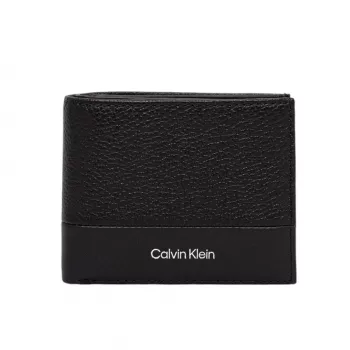
If the biggest daily pain point is “where do I put my essentials,” make the landing zone frictionless. A simple upgrade like a consistent wallet can reduce loose-pocket-item scatter; keep it paired with a dedicated tray and hook so it always returns to the same place.
Helpful pick for the drop zone: Calvin Klein Men’s Leather Wallet.
High-impact storage hacks by room
Entry
- Add a tray or small bin for daily carry items.
- Keep one hook per person (more hooks than people often becomes clutter storage).
- Limit shoes to a single row or a single basket.
Living room
- Corral remotes and chargers in a lidded box so the coffee table stays visually quiet.
- Use a single decorative basket for throws (one “throw home” prevents blanket sprawl).
- Keep side tables at 50% clear—half-empty surfaces read as calm.
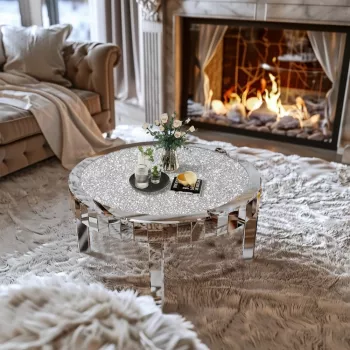
If your living room is anchored by a statement piece, keep surrounding surfaces simpler so the room feels styled instead of crowded. See: Elegant Mirrored Coffee Table with Crystal Inlay.
Kitchen
- Remove duplicates and rarely used gadgets.
- Store countertop appliances in a cabinet if used less than weekly.
- Use one container for snack overflow to avoid scattered packages.
Bedroom
- Keep the nightstand top minimal (lamp + book + small dish).
- Use under-bed bins for off-season items.
- Dedicate one drawer for “daily accessories” so they don’t migrate to surfaces.
Bathroom
- Decant backstock into one labeled bin under the sink.
- Store daily-use items in a small caddy and put it away after use.
- Keep counters clear except soap and one daily item (for example: toothbrushes or hand lotion, not both plus extras).
Home office
If you’re fighting clutter because the surface is too small or storage is awkward, a desk with built-in space can make “put away” effortless. Consider: 62″ Executive Desk with Double Pedestal and Natural Wood Top.
Decluttering guide: decide fast with a simple filter
Printable checklist: a weekly routine that prevents clutter from coming back
Quick Checklist: Reduce Visual Clutter by Zone
| Zone | What to Remove from Sight | Best Storage Fix | Maintenance Rule |
|---|---|---|---|
| Entry / Drop zone | Loose mail, keys, random pocket items | Tray + small bin + hooks | Empty tray weekly |
| Coffee table / Living room | Remotes, chargers, toys, loose papers | Lidded box + basket | Reset nightly |
| Kitchen counters | Rarely used appliances, scattered snacks | Cabinet parking + single snack bin | Counters 80% clear |
| Nightstand / Bedroom | Skincare, meds, cords, misc. items | Small caddy + drawer categories | Top stays to 3 items |
| Bathroom counter | Backstock, multiple bottles, tools | Under-sink labeled bin + daily caddy | Restock monthly |
| Desk / Office | Paper piles, cables, stationery overflow | One inbox + cable clips + drawer dividers | Process inbox weekly |
Digital download guide: print, reuse, and build a system that lasts
If you want the routine ready to go, use this internal download: Printable checklist and storage hacks to reduce visual clutter (digital download).
FAQ
What’s the fastest way to make a room look less cluttered without deep cleaning?
Clear only the visible surfaces first, then remove anything that doesn’t belong in that room. Group the remaining small items into one tray or lidded box so the “default view” looks quiet immediately.
Should items be stored in open bins or closed containers?
Use closed containers for mixed or messy-looking items like cords, toiletries, and papers. Use open bins only for uniform, attractive categories (folded throws, books, or matching jars) so the space still looks calm.
How often should a decluttering checklist be used to keep visual clutter away?
A short daily reset plus a weekly landing-zone and paper reset prevents buildup. Add a monthly “one drawer or shelf” review to keep categories from overflowing.









Leave a comment