Solid Oak Minimalist Dining Chair: Modern Backrest Comfort
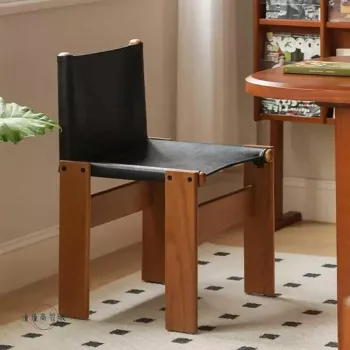
Solid Oak Minimalist Modern Dining Chair with Backrest
A solid oak dining chair with a clean, modern silhouette brings warmth, durability, and calm lines to everyday meals. Oak has a naturally substantial feel, and when it’s paired with a supportive backrest and a well-sealed finish, it becomes the kind of piece that works hard daily while still looking refined for guests. Below are the key details that matter most—construction, comfort, styling, and care—so the chair stays steady, comfortable, and beautiful over time.
What Makes This Chair a Modern Minimalist Staple
Minimalist dining chairs succeed when they quietly do everything right: they look light, sit comfortably, and hold up to constant use. A solid oak build adds the reassuring weight and strength many people associate with “real furniture,” while the clean lines keep the room feeling open and uncluttered.
- Solid oak build for a natural, substantial feel and long-term durability.
- Minimalist profile that pairs easily with modern, Scandinavian, Japandi, and transitional spaces.
- Supportive backrest designed for everyday dining and longer seated gatherings.
- Natural wood character: subtle grain variation can make each chair feel unique.
Oak’s structure and grain are part of what makes it a go-to hardwood for furniture; for a deeper look at hardwood structure, the USDA Forest Service’s Wood Handbook overview is a helpful reference: Hardwood Anatomy (Wood Handbook).
Materials and Craft Details to Look For
Two oak chairs can look similar online, yet feel completely different in person. The difference usually comes down to core materials, joinery, and finish—details that affect wobble, stain resistance, and how the chair ages after years of meals.
- Solid oak vs. veneer: solid wood typically handles daily wear and potential refinishing better over time.
- Joinery quality: stable joints and well-fitted connections help reduce wobble as seasons change.
- Finish considerations: a sealed surface helps resist stains and moisture rings; matte finishes tend to hide fingerprints and small marks better.
- Edge and corner shaping: softly eased edges feel better against legs and help reduce chipping.
- Floor protection: felt pads or glides help prevent scratches and improve chair movement.
Quick Checklist for Comparing Dining Chairs
| Feature | Why It Matters | What to Confirm |
|---|---|---|
| Solid oak frame | Strength and longevity | Frame is solid wood, not only veneer over composite |
| Backrest shape | Comfort and posture support | Backrest height and curve feel supportive for typical meal length |
| Finish type | Stain and moisture resistance | Sealed topcoat; easy-wipe surface for dining use |
| Leg stability | Less wobble and noise | Even leg contact; sturdy joinery; tight hardware if applicable |
| Floor glides/pads | Protects floors, smoother movement | Included glides or easy-to-add felt pads |
Comfort and Ergonomics for Everyday Dining
A dining chair can be visually perfect and still feel “off” if the backrest angle, seat height, or table clearance isn’t right. Comfort is also about how the chair behaves in a real home: does it scrape the floor, slide on tile, or feel cramped once multiple place settings are out?
- Backrest support: a gentle curve supports the mid-back and encourages an upright, relaxed posture.
- Seat comfort: a wood seat can feel great for typical meals; add a slim cushion if longer seating is common.
- Chair height match: confirm the chair pairs comfortably with your dining table height and apron clearance.
- Spacing guidance: allow enough elbow room so chairs don’t feel crowded, especially if the table expands for guests.
- Quiet use: pads under legs reduce scraping sounds and protect hardwood and tile.
Styling Ideas: Pairing Oak with Tables, Rugs, and Lighting
Oak is a natural bridge between warm and cool palettes. It can read airy with light textiles or feel more architectural alongside black accents. The simplest approach is to keep the big surfaces consistent (table + chairs) and bring contrast through soft layers and lighting.
- With light wood tables: keep tones close for a seamless, airy look; introduce contrast through textiles and ceramics.
- With dark or black tables: oak adds warmth and highlights clean lines; matte black lighting helps tie the palette together.
- With stone or glass tops: oak softens hard surfaces; add a textured rug to reduce echo and ground the dining area.
- Color accents: lean into neutrals (cream, sand, warm gray) or add one bold accent (deep green, rust, navy) through art or linens.
- Set composition: matching chairs feel calm and uniform; mixing seating (oak chairs + a bench) adds a relaxed, modern feel.
Care and Maintenance for Solid Oak
For general wood furniture cleaning guidance, the American Hardwood Information Center offers practical care tips: Care and Cleaning of Wood Furniture.
Good Fits for Different Homes and Room Sizes
Recommended Picks to Complete the Look
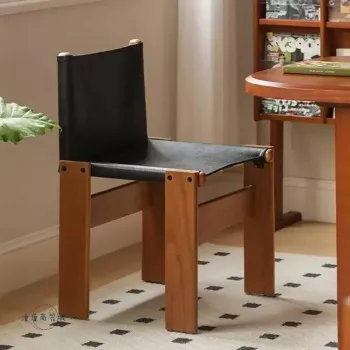
- Solid Oak Minimalist Modern Dining Chair with Backrest for a warm, modern foundation around the table.
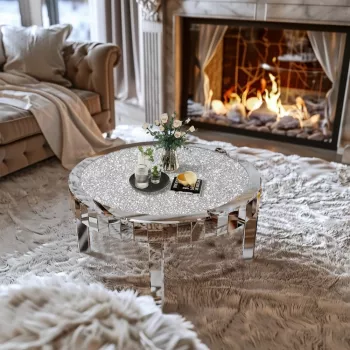
- Elegant Mirrored Coffee Table with Crystal Inlay to brighten darker rooms—reflective surfaces can lift the space while warm wood keeps it grounded.
- 62″ Executive Desk with Double Pedestal and Natural Wood Top to keep work items off the dining table and preserve a calm, dining-first setup.
FAQ
Is solid oak a good choice for dining chairs?
Yes—solid oak is known for strength and long-term durability, which makes it a smart material for everyday dining chairs. Finish quality and joinery still matter, and natural grain variation is normal, so each chair can look slightly different.
How do oak dining chairs with backrests stay comfortable for longer meals?
A supportive backrest with a gentle curve helps maintain an upright, relaxed posture during longer gatherings. If extended seating is common, a thin cushion can add comfort without changing the chair’s clean look.
How should solid oak chairs be cleaned and protected from stains?
Wipe with a soft, slightly damp cloth and dry right away, and clean spills quickly to help prevent dull spots. Avoid harsh chemicals or abrasives, and use felt pads and stable indoor humidity to reduce wear over time.










Leave a comment