Nordic Glass Display Sideboard: Quiet Luxury Storage
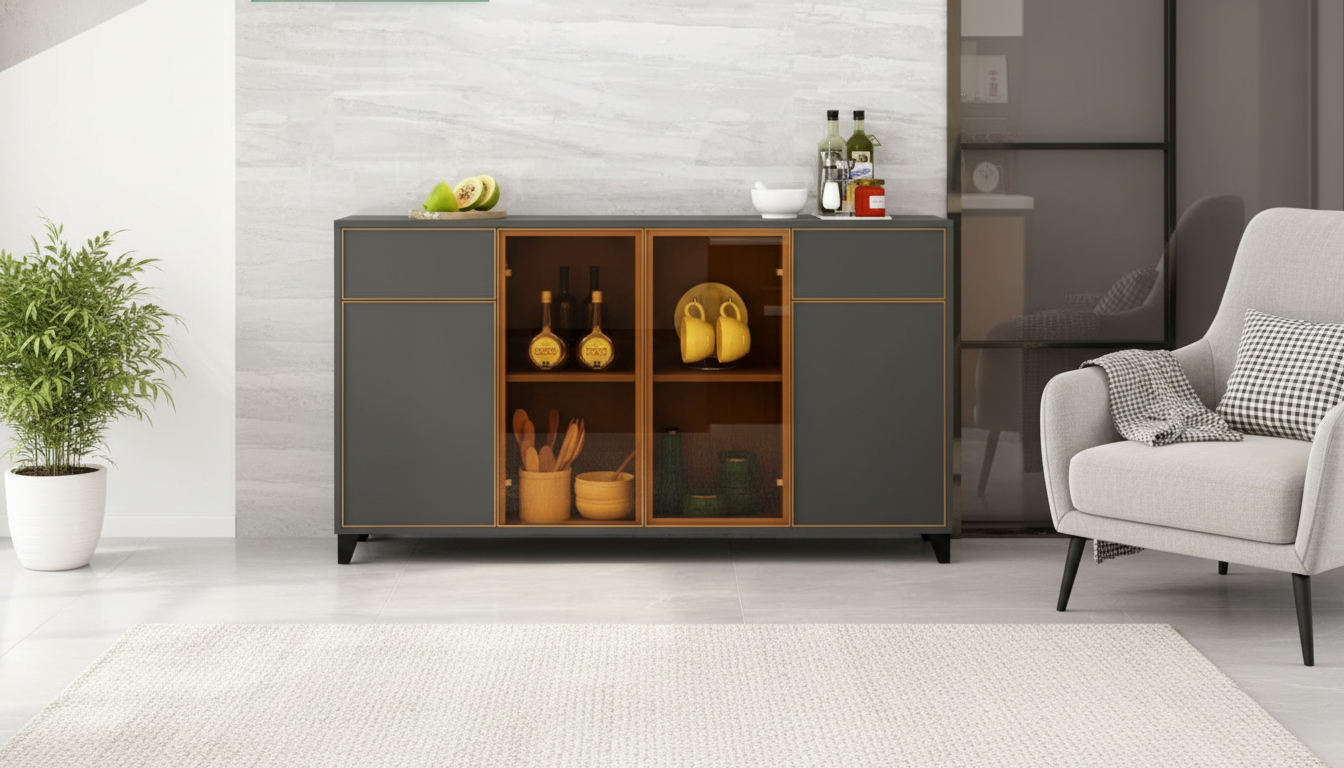
Luxury Nordic Glass Display Sideboard: Calm Geometry, Light-Boosting Storage
A glass display sideboard in a Nordic-inspired silhouette brings calm geometry, reflective light, and gallery-like storage to living and dining spaces. With the right placement and styling, it can function as a bar, a statement console, or a refined cabinet for collectibles—while keeping everyday items neatly tucked away. If you’re looking for a piece that feels elevated without feeling loud, the Luxury Nordic Glass Display Sideboard strikes that “quiet luxury” balance especially well.
What Makes This Sideboard Feel Nordic and Luxurious
Nordic design reads as restful because it’s intentional: clean lines, balanced proportions, and just enough detail to feel finished. A luxury version adds a more polished material story—think sleek hardware, crisp edges, and glass that makes the whole piece look lighter.
- Clean-lined profile: Works in minimalist, modern, and transitional rooms without visually crowding the space.
- Glass display elements: Lighten the “mass” of storage and highlight curated objects rather than hiding everything behind solid fronts.
- A quiet-statement approach: Simple forms, elevated finishes, and purposeful negative space that lets the room breathe.
- Flexible focal point: Looks intentional under artwork, as a dining-room anchor, or as a living-room display cabinet.
Display-Forward Storage: What to Showcase vs. What to Hide
The easiest way to make a glass-front sideboard look designer-level is to decide what’s part of the display—and what’s not. Treat the glass area like a small gallery, and let closed storage handle the practical load.
- Showcase: A cohesive collection of ceramics, glassware, design books, or sculptural decor. Aim for a consistent vibe—one material, one color family, or one theme.
- Store out of sight: Linens, bar tools, candles, board games, chargers, and those “useful but not pretty” extras.
- Build breathing room: Group items in odd numbers, vary heights, and leave space around pieces so the glass reads clean and intentional.
- Add subtle lighting: Battery puck lights or LED strips can highlight objects without glare; place them so light washes the back panel, not straight into the room.
Placement Ideas That Look Intentional
Where the sideboard sits matters as much as what goes in it. The goal is to make it feel integrated—like it was always meant to live there.
Styling Formula: A Curated, Not Cluttered, Display
For a brighter, reflective pairing nearby, a piece like the Elegant Mirrored Coffee Table with Crystal Inlay can echo the glass effect while keeping the room visually light.
Care and Maintenance for Glass and Furniture Finishes
- Glass cleaning: Use a microfiber cloth and a streak-free cleaner; avoid abrasive pads that can leave fine scratches.
- Dusting routine: Dry microfiber first, then spot-clean fingerprints. Reduce interior cleaning by limiting over-handling of display items.
- Coasters and felt pads: Protect the top from rings and scuffs, especially under metal decor bases.
- Avoid harsh solvents: If the finish type is unknown, test any cleaner in an inconspicuous area first; for general indoor product guidance, see the EPA’s resource on indoor air quality and household products.
- Humidity and heat: Keep away from direct heat sources and prolonged moisture; use a runner if placing drinks or plants on top.
Safety and Setup Essentials
- Anti-tip precautions: Anchor storage furniture when recommended—especially in homes with kids or pets. The CPSC tip-over initiative Anchor It! outlines practical steps and why they matter.
- Weight distribution: Store heavier items low for stability; keep the heaviest pieces off upper display shelves.
- Leveling: Use floor protectors or adjustable feet (if included) to prevent rocking and door misalignment.
- Glass handling: Lift panels carefully and avoid torquing edges; tighten hardware to snug (not over-tight) to reduce stress on glass components.
- Traffic flow: Keep corners away from tight walkways and allow clear door swing space.
Quick Reference: Room Fit and Use-Cases
| Space | Primary use | What to display | What to store out of sight |
|---|---|---|---|
| Dining room | Serving + bar | Glassware, decanters, ceramics | Table linens, extra plates, tools |
| Living room | Showcase console | Books, art objects, candles | Games, remotes, cables |
| Entry/hall | Gallery storage | Vase, framed pieces, baskets | Seasonal items, keys, spare bags |
| Open plan | Soft room divider | Statement decor, sculptural bowls | Everyday clutter, backups |
Pieces That Complement the Look
- Reflective accents: Mirrors, crystal details, and polished finishes amplify the light-catching effect of a glass display.
- Natural wood work surfaces: For adjacent zones like a home office corner, a warm wood top balances glass with an organic touch—consider the 62″ Executive Desk with Double Pedestal and Natural Wood Top.
- Decluttering support: Keeping the cabinet “curated” is easier with a simple reset routine, like the Storage Hacks to Reduce Visual Clutter (Printable Checklist).
If sustainability is part of your buying lens, it also helps to understand basic wood sourcing labels such as FSC certification when comparing furniture materials and suppliers.
FAQ
How should a glass display sideboard be styled without looking cluttered?
Keep a tight color palette, group objects in odd numbers, vary heights, and leave negative space around your “hero” pieces. A mix of textures (ceramic, wood, metal, linen) adds depth without adding visual noise.
Is it necessary to anchor a sideboard to the wall?
Anchoring is strongly recommended when the manufacturer includes anti-tip hardware, especially in homes with children or pets. Even sturdy pieces can tip if weight is placed on open doors or drawers, so keep heavier items low and follow the setup instructions.
What’s the best way to clean glass cabinet doors and shelves?
Use a microfiber cloth with a non-abrasive, streak-free cleaner, then wipe dry to reduce haze and streaking. For fingerprints, a quick spot-clean is usually enough—frequent harsh scrubbing can do more harm than good over time.












Leave a comment