Micro-Moments of Appreciation That Strengthen Relationships
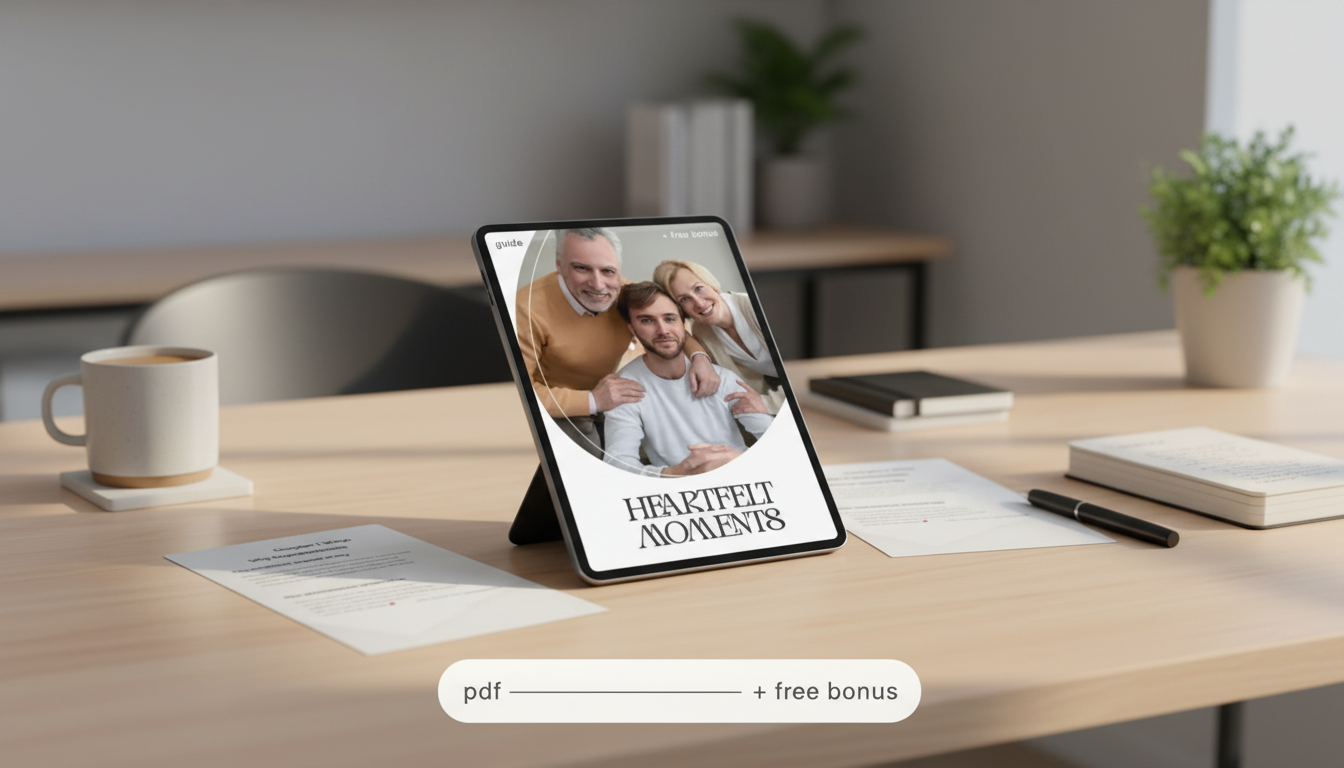
Heartfelt Moments: Simple Ways to Show Appreciation That Strengthen Everyday Relationships
Appreciation is one of the fastest ways to deepen trust, soften tension, and make people feel seen—without needing a special occasion. Small, consistent gestures often matter more than grand gifts because they create a pattern of care. This guide focuses on “micro-moments” of gratitude: quick, specific, and easy to repeat. Use it to turn good intentions into practical routines for friends and family, whether the goal is repairing distance, celebrating support, or simply staying connected in busy seasons.
What Appreciation Looks Like (and Why It Lands)
Appreciation isn’t just saying “thanks.” It’s noticing effort, character, and impact. Generic praise (“You’re the best”) can feel nice, but specific appreciation (“You checked in when things were hard, and it helped me feel less alone”) lands deeper because it proves you were paying attention.
Timing matters, too. Appreciation hits hardest right after someone makes an effort, during a stressful season, or at natural transitions—end of a visit, after a tough week, after a deadline. To feel authentic, it should be believable, concrete, and matched to the person’s preferences (some people love public praise; others prefer a quiet text).
A simple message structure that stays warm and natural:
- Notice what they did
- Name the impact it had
- Affirm something about them (effort, values, reliability)
- Optional next step: “Can I return the favor?” (without pressure)
Research consistently links gratitude with stronger well-being and relationships—partly because it reinforces connection and support (see Harvard Health Publishing and Greater Good Magazine (UC Berkeley)).
The “Heartfelt Moments” Method: A Repeatable 5-Step Routine
When appreciation feels awkward, it’s usually because it’s vague or too big. This routine keeps it small, clear, and easy to repeat.
Step 1: Choose one person and one moment
Pick one call, one ride, one favor, one check-in. Small moments are easier to name—and easier to repeat.
Step 2: Get specific about what was done
Describe the action so they know it was truly noticed: what they said, what they handled, what they followed through on.
Step 3: Name the impact
Impact can be emotional relief, saved time, restored confidence, or created belonging. Impact is what turns “nice” into “meaningful.”
Step 4: Match the gesture to their style
Some people feel cared for through words, others through acts of service, quality time, small tokens, or shared memories. Choose the lane that fits them.
Step 5: Make it repeatable
Attach it to a trigger: Sundays, after family dinner, after practice, after work deadlines, or right after someone helps.
1–2 sentence examples you can copy
- Friend: “You checked on me after my appointment, and it genuinely calmed me down. You’re the kind of person who shows up when it counts.”
- Parent: “I noticed you handled all the logistics this week, and it took a lot off my plate. Your steadiness keeps the whole family moving.”
- Sibling: “Thanks for jumping in without being asked—seriously. It made the day feel manageable, and it reminds me how reliable you are.”
- Partner: “When you took care of dinner while I was drained, I felt so supported. I love how you look out for us.”
Keep it pressure-free: appreciation is not a request for more help. It’s simply acknowledgment.
Quick Appreciation Ideas by Relationship and Time Available
Appreciation ideas you can use today
| Time | Friends | Parents/Family | Long-distance |
|---|---|---|---|
| 30 seconds | Send a voice note naming one specific thing you admire | Text: “I noticed you handled ___ today—thank you” | Send a photo with a short caption about what it reminded you of |
| 5 minutes | Leave a short review/shout-out on their project or small business | Do one small task they usually carry (schedule, refill, tidy) | Plan the next call with 2 prompts so it feels meaningful |
| 30 minutes | Invite them to a walk + ask one deep, supportive question | Cook/bring one favorite item and stay to talk | Mail a handwritten note or print a shared photo with a memory |
Meaningful Messages That Don’t Sound Forced
Fill-in templates
Style options (pick your voice)
Repair appreciation (when things are strained)
Turning Appreciation into a Habit Without Making It Awkward
Printable and Digital Support for Consistent Connection
If you want a structured set of prompts you can reuse, Heartfelt Moments — Guide on How to Show Appreciation to Friends and Family (Printable & Digital Download) is designed for quick messages, low-pressure routines, and repeatable connection. For people who feel socially “in their head,” Quiet Confidence — A Growth-Focused Introvert’s Guide to Social Ease pairs well with appreciation habits, especially when you want warmth without overexplaining. And if your appreciation style is quality time, Creative Hobby Date Ideas That Bring You Closer can turn “We should spend time together” into a plan you’ll actually do.
A Simple 7-Day Appreciation Plan
FAQ
What are good ways to show appreciation if someone doesn’t like emotional conversations?
Keep it practical and private: a brief text naming a specific action, a small act of service, thoughtful planning, or remembering their preferences. Avoid public praise if they dislike attention, and let the gesture speak without making it a big moment.
How can appreciation help when a relationship feels distant?
Use low-pressure reconnection: acknowledge something genuine, name a shared memory, and invite one small next step like a short call or walk. Consistency matters more than intensity, and appreciation works best when it doesn’t reopen old arguments.
Is a printable or digital guide actually useful for this?
Yes—prompts and templates reduce mental load, especially when you care but freeze on wording or timing. A guide also supports habit-building with checklists, reminders, and an easy way to track who you’ve reached out to recently.














Leave a comment