Modern Minimalist House Design: Meaning & Key Features
What is modern minimalist house design?
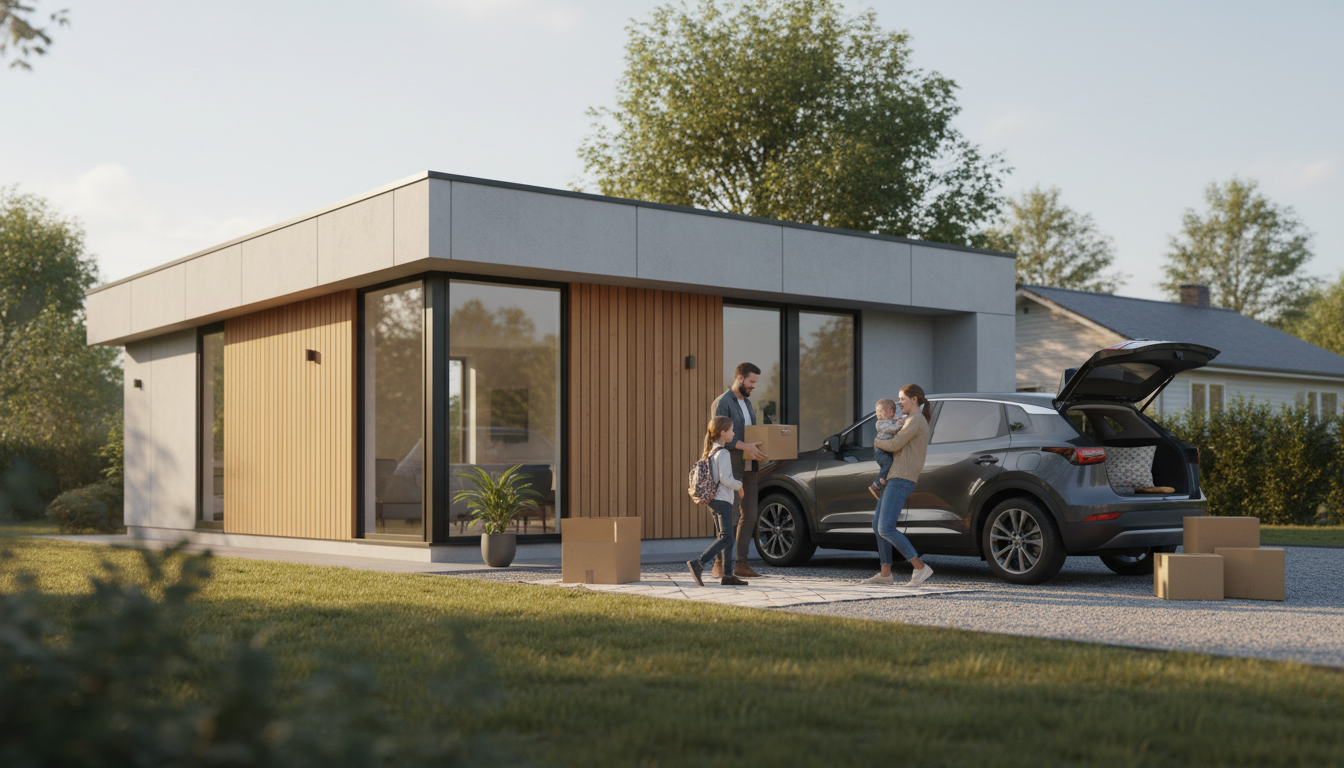
Modern minimalist house design is a home style built around clarity: clean architecture, uncluttered rooms, and a small number of well-chosen materials and furnishings. It typically combines modern design principles—simple geometry, open layouts, and an emphasis on light—with minimalism’s “less but better” approach to decor and daily living.
Answer
At its core, modern minimalist design prioritizes function and visual calm. Rooms are organized to feel spacious and easy to move through, with furniture selected for usefulness, comfort, and a streamlined silhouette. Instead of filling space with accessories, the design relies on proportion, negative space, and a few intentional focal points.
Key characteristics
Simple forms and clean lines: Think flat-front cabinetry, low-profile seating, and straightforward shapes that don’t compete for attention.
Neutral, cohesive color palettes: Whites, warm beiges, grays, and muted earth tones are common, often paired with black or matte metal accents for contrast.
Natural light and openness: Large windows, minimal window treatments, and open-plan living areas help the home feel airy and bright.
Limited, high-impact materials: Wood, stone, glass, and metal are used in a controlled way—often repeating the same finish across multiple rooms to create continuity.
Intentional decor: Artwork and accessories are chosen sparingly and displayed with breathing room, so each item reads as deliberate rather than decorative clutter.
How furniture supports the look
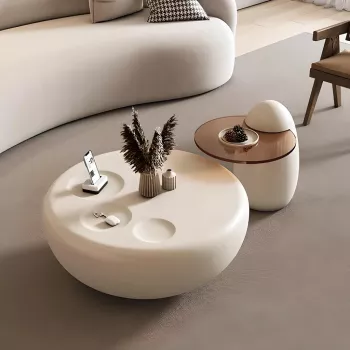
Furniture selection is where the “minimal” part becomes livable. Pieces are often multifunctional (like storage benches or streamlined media consoles) and scaled appropriately for the room. Coffee tables, for example, are commonly used as a grounding element in a minimalist living area—especially round tables, which soften sharp architectural lines while keeping traffic flow easy. For practical guidance on choosing a modern minimalist round coffee table that fits and styles well, visit this modern minimalist round coffee table guide.
Why it feels so calm
Modern minimalist homes reduce visual noise. With fewer distractions, the eye rests on balanced shapes, consistent finishes, and open space. The result is a home that feels organized, intentional, and easy to maintain—without looking sterile when warm textures (like wood or linen) are included.
FAQ
How do you keep a minimalist house from feeling cold?
Use warm neutrals, natural wood tones, soft textiles (like wool or linen), and layered lighting. A few tactile elements can make a minimalist space feel inviting while still staying uncluttered.









Leave a comment