Calvin Klein Men’s Leather Wallet Buying & Care Guide
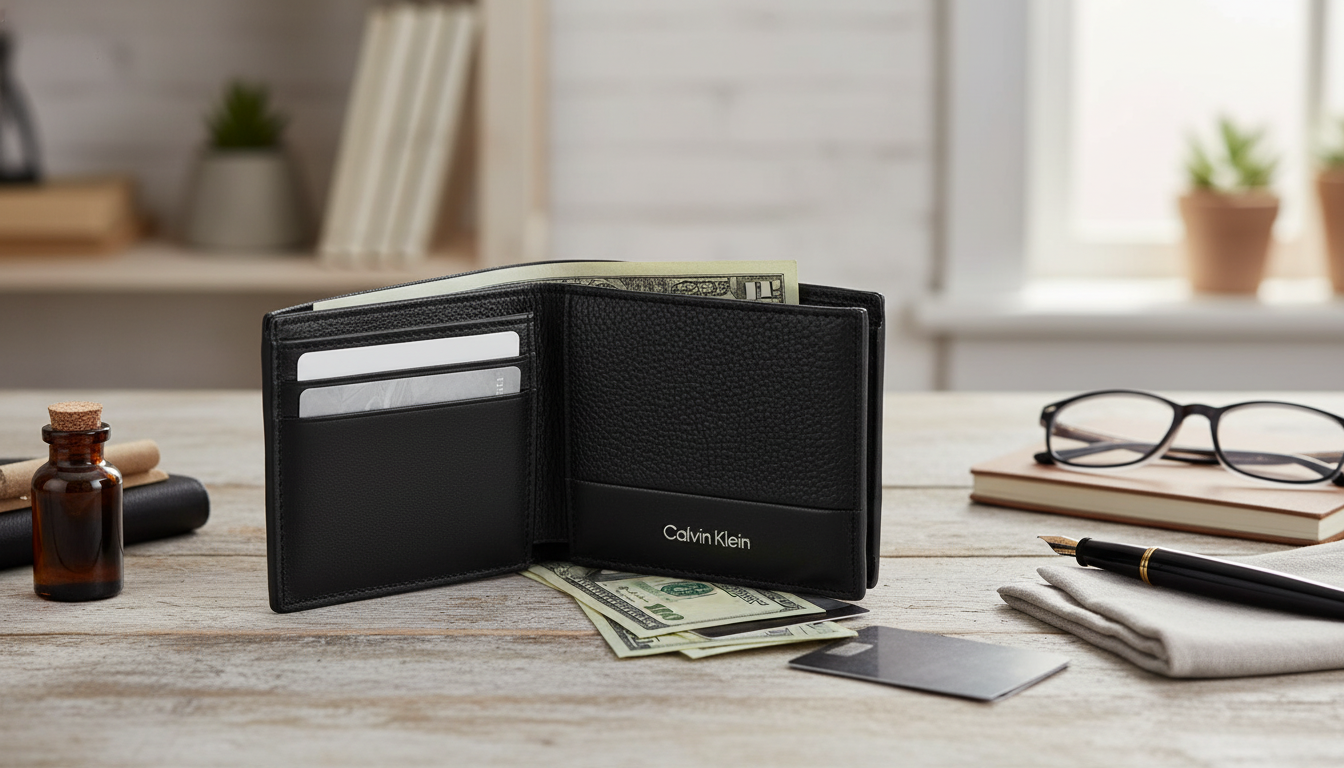
Calvin Klein Men’s Leather Wallet: A Refined Everyday Essential
A leather wallet gets handled constantly—at the register, in the car, at the office, and while traveling—so the small details matter more than trendy add-ons. The way it feels in hand, how it sits in a pocket, how quickly cards slide in and out, and how well the edges hold up over time all shape whether it’s a pleasure to use or something that starts to annoy you. Below is a practical guide to choosing a Calvin Klein men’s leather wallet that fits your routine, plus care tips that keep it looking sharp. For more guidance, see Beautiful Calvin Klein new mens genuine leather wallet.
What Makes a Leather Wallet Feel “Premium” Day After Day
Two wallets can look similar online, yet feel very different once they’re in your pocket. “Premium” usually comes down to a few consistent build and design cues. For further reading, see Men’ wallet / clutch Calvin Klein brand in Krakow (Poland).
Leather hand-feel
Smooth leather finishes tend to look sleek and dress-ready, while pebbled or textured leather often hides minor scuffs better and adds grip when you’re pulling it out quickly.
Stitching and edges
Tight, even stitching helps the wallet keep its structure, especially around card slots that get flexed daily. Cleanly finished edges (sealed, painted, or neatly turned) reduce fraying from pocket friction and help the wallet keep a crisp outline.
Structure vs. flexibility
A wallet that’s too stiff can be uncomfortable in slimmer pants and may take longer to feel natural. Too soft, and it can stretch prematurely, leading to loose card slots and a “puffy” look over time.
Hardware and logos
Subtle branding typically ages better and transitions more easily between casual outfits and dressier settings. A refined logo treatment also tends to look intentional after years of use, even with normal wear.
Quick Specs Checklist Before Buying
Before adding anything to cart, a fast checklist can prevent common wallet regrets—mainly bulk, awkward layout, or not enough space for daily essentials.
- Carry style: A bifold offers balanced capacity; a slim bifold is better for front-pocket carry; a trifold maximizes organization but can add noticeable thickness.
- Capacity planning: Count the cards you use weekly (ID, 1–2 bank cards, transit pass, insurance, membership cards). Add 1–2 spare slots for occasional use instead of sizing up dramatically.
- Cash habits: If you carry bills often, prioritize a full-length bill compartment. If you rarely use cash, a slimmer profile may be more comfortable day-to-day.
- Pocket fit: Consider your usual outfits—jeans, chinos, suit trousers. Thinner fabrics make bulk more obvious, and sitting comfort can change a lot with even a few extra millimeters.
Wallet Features That Matter (and Why)
| Feature | Why it matters | Good sign to look for |
|---|---|---|
| Leather type/finish | Affects scuff resistance, grip, and how the wallet develops character over time | Consistent grain, no loose areas, finish that matches the intended use (smooth for dress, textured for daily) |
| Card slot count | Determines daily usability and prevents overstuffing | Enough slots for essentials plus a small buffer; slots that hold cards securely without being overly tight |
| Profile thickness | Impacts comfort when sitting and the look in slimmer pants | A shape that stays flat with normal carry; minimal layers and bulky linings |
| Edge finishing | Edges take the most friction in pockets and bags | Sealed/painted or well-turned edges with no peeling or roughness |
| Lining and interior build | Interior wear shows quickly and affects longevity | Neat stitching inside, smooth lining, no puckering around slots |
Style and Use Cases: Workdays, Travel, and Minimal Carry
The “best” wallet is the one that matches how and where it’s used. A refined leather wallet should make your day smoother, not force you into a layout that doesn’t fit your routine.
Care Tips to Extend the Life of a Leather Wallet
For more detailed general leather maintenance, see this leather care guide and this overview on how to care for leather.
Gifting Notes: Getting the Fit Right Without Guesswork
Calvin Klein Men’s Leather Wallet at a Glance
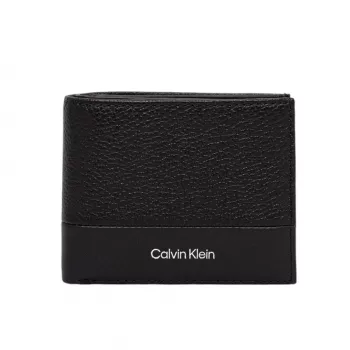
If you’re looking for a recognizable name and an understated, polished look that fits both casual and dress settings, the Calvin Klein Men’s Leather Wallet is a streamlined everyday option. Before checkout, confirm the format you prefer (bifold vs. trifold) and estimate your daily card count so you don’t end up carrying unnecessary bulk.
If you’re also tightening up day-to-day carry overall—less pocket clutter, fewer loose items to manage—consider pairing a wallet refresh with a simple decluttering system like Storage Hacks to Reduce Visual Clutter (Printable Checklist) to make “minimal carry” easier to maintain.
FAQ
How many cards should a leather wallet hold comfortably?
Most people do best with weekly essentials—typically 6–10 cards depending on the layout. Overfilling can stretch card slots, add bulk, and make the wallet harder to close cleanly.
How do leather wallets break in over time?
Leather gradually softens and conforms to your usual contents, so minor creasing is normal. Persistent bulging or slots that feel loose often point to chronic overstuffing or accelerated wear.
What’s the best way to clean a leather wallet?
Wipe it with a dry or slightly damp soft cloth and avoid harsh cleaners. Let it air-dry away from heat, and condition sparingly after spot-testing on a discreet area.












Leave a comment