One-Week or One-Month Healthy Meal Plan Made Simple
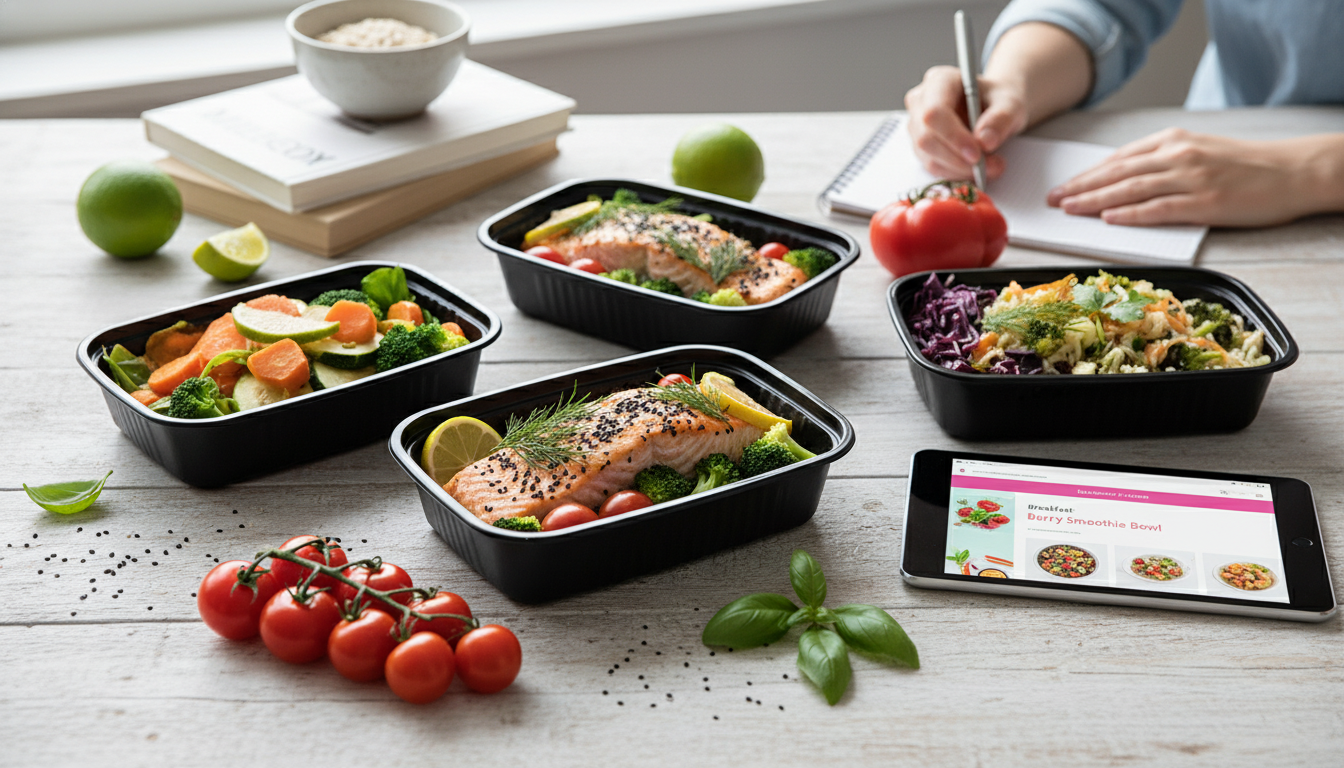
Healthy Meal Plan & Recipe Collection: a simple system for consistent, balanced eating
A structured meal plan removes daily decision fatigue while supporting steady energy, better portions, and more consistent nutrition. This collection is designed to make healthy eating practical: repeatable templates, balanced plates, and recipes that work for either a focused one-week reset or a full one-month routine. Instead of chasing perfection, the goal is a rhythm you can actually keep—meals you enjoy, groceries you can find, and prep that fits real schedules.
What makes a meal plan feel easy (and sustainable)
The best meal plans don’t rely on willpower. They rely on structure, simple building blocks, and a little strategic repetition so you can eat well even on hectic days.
- Clear structure: Breakfast, lunch, dinner, and snacks are already mapped out so there’s less last-minute scrambling.
- Balanced building blocks: Protein + fiber-rich carbs + colorful produce + healthy fats support fullness and steadier energy.
- Flexible repetition: A small set of core recipes can rotate across a week or month without feeling monotonous.
- Realistic prep: Meals that fit common schedules (workdays vs. weekends) with leftovers planned intentionally.
- Portion awareness: Plating guidance and snack sizing so meals support goals without constant tracking.
For a helpful visual on balanced portions, Harvard’s Healthy Eating Plate is a practical reference point. For broader nutrition guidance, the Dietary Guidelines for Americans (2020–2025) are also a strong baseline.
One-week vs. one-month: choosing the right plan length
Both plan lengths can be “the right one.” The key is matching the plan to your calendar and how you actually shop, cook, and handle leftovers.
- One-week plan: Ideal for getting started, simplifying a busy week, or resetting routines after travel or holidays.
- One-month plan: Best for building consistency, reducing grocery trips through predictable staples, and improving cooking confidence.
- Hybrid approach: Start with a one-week menu, repeat it for two weeks, then swap in new recipes for variety.
- Schedule match: Choose a plan length based on how often shopping and batch cooking realistically happen.
| Feature | One-week plan | One-month plan |
|---|---|---|
| Best for | Quick start, tight schedule, testing recipes | Habit-building, fewer decisions long-term |
| Shopping style | 1 main trip + small top-up | Weekly routine with staple rebuys |
| Prep time | 1–2 prep sessions | Weekly prep rhythm + leftovers strategy |
| Variety | Moderate | Higher (with planned repeats) |
| Tracking progress | Short-term check-in | Better for trend-based results |
Balanced daily rhythm: breakfast, lunch, dinner, and snacks
When the day has a reliable structure, healthy choices feel automatic. Think of each meal as a “balanced plate,” and each snack as a bridge that keeps energy steady between meals.
- Breakfast: Prioritize protein and fiber (eggs + fruit, Greek yogurt + berries, oats + nuts) to reduce mid-morning cravings.
- Lunch: Aim for half the plate vegetables, plus a lean protein and a satisfying carb (whole grains, beans, starchy veg).
- Dinner: Keep it simple—sheet-pan meals, stir-fries, hearty salads, or bowls that use prepped ingredients.
- Snacks: Choose “bridge” snacks that add nutrition (protein + produce) rather than grazing on refined carbs alone.
- Hydration and timing: Keep water accessible; if training, add a pre- or post-workout snack from the plan.
| Meal | What to include | Simple examples |
|---|---|---|
| Breakfast | Protein + fiber + fruit/veg | Veggie omelet + toast; yogurt + berries + chia |
| Snack | Protein or healthy fat + produce | Apple + nut butter; cottage cheese + cucumber |
| Lunch | Veg-heavy + protein + whole-food carb | Chicken salad bowl; lentil soup + side salad |
| Snack | Steady-energy option | Hummus + carrots; handful of nuts + fruit |
| Dinner | Protein + vegetables + satisfying carb | Salmon + roasted veg + quinoa; tofu stir-fry + brown rice |
Prep and shopping system that saves time
A good meal plan becomes dramatically easier with a repeatable prep routine. The goal is to prep “mix-and-match components” so weekday meals take minutes, not hours.
- Batch-cook basics: Prepare one protein (chicken, beans, tofu), one grain (rice, quinoa), and 2–3 vegetable sides to combine in bowls, salads, wraps, and stir-fries.
- Sauce and seasoning strategy: Rotate flavors (Mediterranean, taco-style, Asian-inspired) so repeats feel fresh without extra cooking.
- Leftovers by design: Cook two dinners that intentionally become next-day lunches.
- Smart grocery structure: Shop by categories (produce, proteins, pantry staples) and keep an “always-on-hand” list (frozen veg, canned beans, oats, olive oil, spices).
- Food safety basics: Cool leftovers quickly, store in shallow containers, and follow recommended refrigeration timelines.
Adjusting for dietary needs and preferences
A sustainable plan should bend without breaking. Keep the same meal structure, then adjust portions and ingredients based on your needs.
Healthy Meal Plan & Recipe Collection eBook: what’s included
If you want a ready-to-use system with recipes already organized by meal and built for repetition, the Healthy Meal Plan & Recipe Collection eBook is designed to make the process straightforward—whether you’re running a one-week reset or setting up a month of consistent meals.
To make weekly prep feel lighter and your kitchen routine easier to maintain, the Storage Hacks to Reduce Visual Clutter printable checklist can help streamline food storage zones, containers, and pantry organization so healthy options are easier to see and grab.
FAQ
Can the one-week plan be repeated for a full month?
Yes—repeat the same week 2–4 times, then rotate in a few new dinners or breakfasts to prevent boredom while keeping the same grocery staples.
Is this meal plan suitable for beginners who don’t cook often?
Yes. Start with the template and a small set of simple recipes, rely on leftovers intentionally, and build confidence by repeating the same core meals until they feel automatic.
How can snacks be adjusted for different calorie needs?
Scale snacks by portion size and composition: add more protein and healthy fats for higher needs, or keep snacks lighter with produce plus a lean protein for lower needs.















Leave a comment