Reset After a Setback: Recover, Repair, and Bounce Back
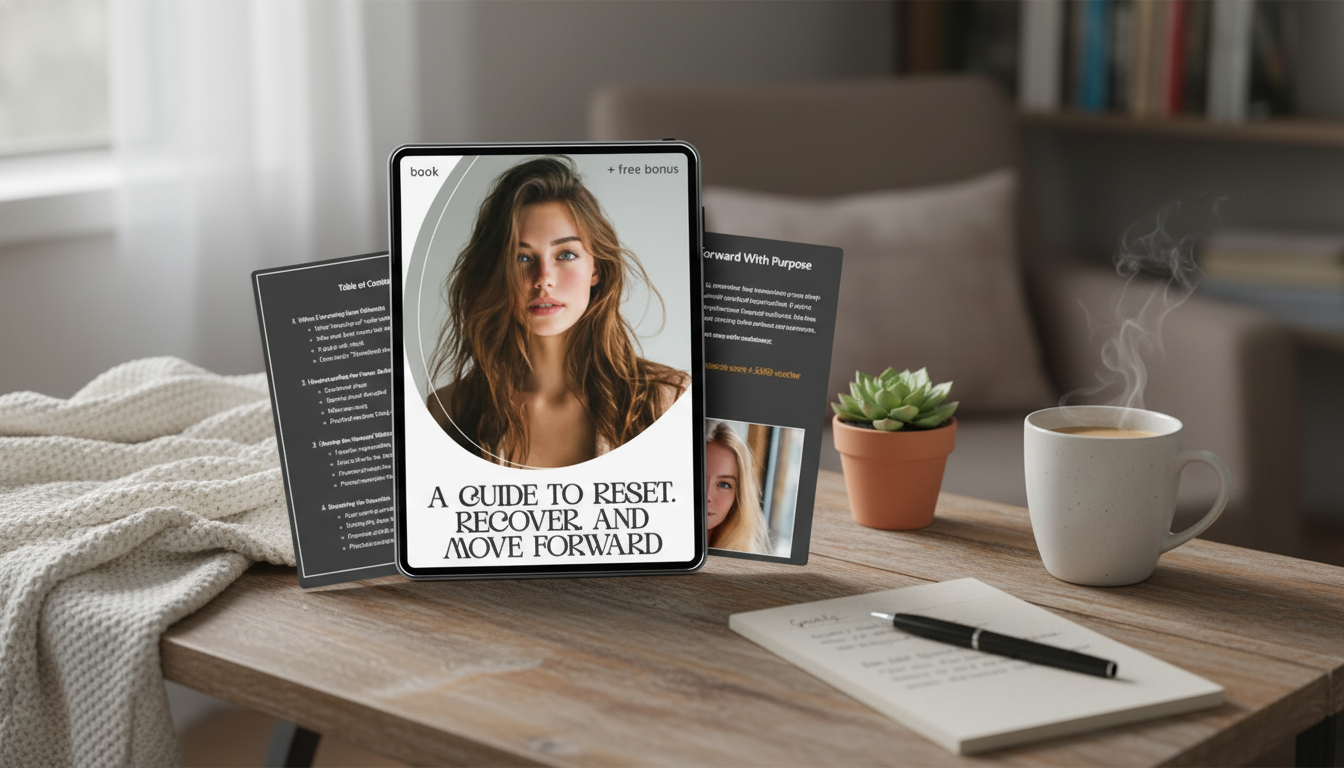
Reset, Recover, and Move Forward After a Setback
A mistake can feel like a full stop, especially when emotions spike and self-talk turns harsh. Recovery is rarely about pretending nothing happened; it’s about regulating the nervous system, making sense of what went wrong, repairing what can be repaired, and taking the next small step with clarity. This guide lays out a practical reset that supports self-reflection, emotional steadiness, and forward momentum—without rushing the process.
What “reset and recover” actually means
Think of the process in three phases. A reset is short-term stabilization: calm the body, reduce overwhelm, and create enough mental space to think. Recovery is the learning-and-repair phase: reflect on choices, identify patterns, and make amends where possible. Moving forward is the systems phase: set boundaries, create a plan, and build routines that reduce the odds of repeating the same outcome.
Progress is rarely linear. A solid plan expects emotional backslides and includes options for “low-energy” days—because the goal isn’t perfection, it’s momentum you can sustain.
Step 1: Stabilize first (the emotional reset)
Before problem-solving, signal safety to your body. When stress is high, cognition narrows and the nervous system prioritizes threat detection—making it harder to think flexibly. The American Psychological Association notes that stress can affect the body in wide-ranging ways, from sleep disruption to muscle tension (APA: Stress effects on the body).
- Use a short grounding routine: slow breathing, a brief walk, hydration, or a shower—anything that reduces physiological intensity.
- Name the emotion and locate it physically (tight chest, restless hands). Labeling helps reduce spiraling.
- Avoid “all or nothing” conclusions. Swap global judgments (“I ruined everything”) for specifics (“That choice caused this consequence”).
- If sleep is disrupted, prioritize basic regulation: consistent wake time, less late-day caffeine, and a wind-down routine.
| Situation | What to do for 10 minutes | Why it helps |
|---|---|---|
| Racing thoughts | 4–6 slow breaths per minute, then write 5 bullet points of what is true right now | Slows arousal and anchors attention in facts |
| Shame spike | Place a hand on chest, name the feeling, then list one small responsible action | Reduces threat response and restores agency |
| Anger or agitation | Brisk walk or stair climb, then cool water on face | Uses movement to discharge activation |
| Freeze / numb | Stand up, stretch, and do a simple task (make tea, tidy one surface) | Re-engages the body and signals forward motion |
Step 2: Reflect without punishing yourself
Reflection works best when it’s precise—not cruel. Separate identity from behavior: a poor decision is data, not a life sentence. When you treat the moment as information, you can extract lessons without reinforcing shame.
If you notice you’re replaying details endlessly, bring the focus back to one actionable correction. The National Institute of Mental Health offers practical guidance for coping with stress that supports this shift from rumination to repair (NIMH: Coping with stress).
Step 3: Repair what can be repaired (without over-apologizing)
Step 4: Build a bounce-back plan for the next 7 days
A simple 7-day recovery loop
| Day | Focus | One small action |
|---|---|---|
| Day 1 | Stabilize | Choose a 10-minute reset and do it twice |
| Day 2 | Clarify | Write a factual timeline of what happened |
| Day 3 | Learn | Identify the trigger chain and one weak link to change |
| Day 4 | Repair | Draft a specific apology or corrective message |
| Day 5 | Protect | Set one boundary (time, money, contact, workload) |
| Day 6 | Rebuild | Complete one meaningful task you’ve avoided |
| Day 7 | Review | Note what improved and choose next week’s focus |
Create an environment that supports a reset
If your reset involves rebuilding focus for work or study, a dedicated surface and a consistent “start ritual” can help. A more structured workspace option is the 62″ Executive Desk with Double Pedestal and Natural Wood Top, which supports a cleaner setup for planning, journaling, and follow-through.
For quick decluttering momentum, a simple checklist can reduce decision fatigue and make it easier to keep going on low-energy days. Consider Storage Hacks to Reduce Visual Clutter (printable checklist) as a practical “one-page guide” approach.
When to seek extra support
If you want a simple, structured routine for managing stress while you rebuild, the NHS has a helpful overview of coping tools that pair well with a 7-day reset plan (NHS: How to cope with stress).
A structured workbook approach for deeper self-reflection
If you want a ready-to-follow framework, A Guide to Reset, Recover, and Move Forward (digital download) is designed to help you stabilize, reflect, repair, and plan—without rushing the process.
FAQ
How long does it take to emotionally recover after messing up?
It can range from a few days to a few weeks depending on the severity of the situation, the amount of repair required, and the support available. Signs of progress include steadier sleep, fewer emotional spikes, and the ability to take small constructive actions; seek extra support if functioning keeps dropping or shame becomes persistent.
How can an apology be sincere without sounding like excuses?
Keep it impact-first: name what you did, acknowledge the impact, take responsibility, and state what you’ll do differently. If the other person isn’t ready to engage, respect that and follow through on the change without pushing for immediate reassurance.
What if the mistake keeps replaying in your head?
Label the replay as rumination, ground yourself in the present, and redirect to one corrective action you can take today. If the thoughts feel intrusive, disrupt sleep, or interfere with daily life, professional support can help you build tools to break the loop.
















Leave a comment