Outdoor Space Checklist: Patio Decor, Lighting & Zones
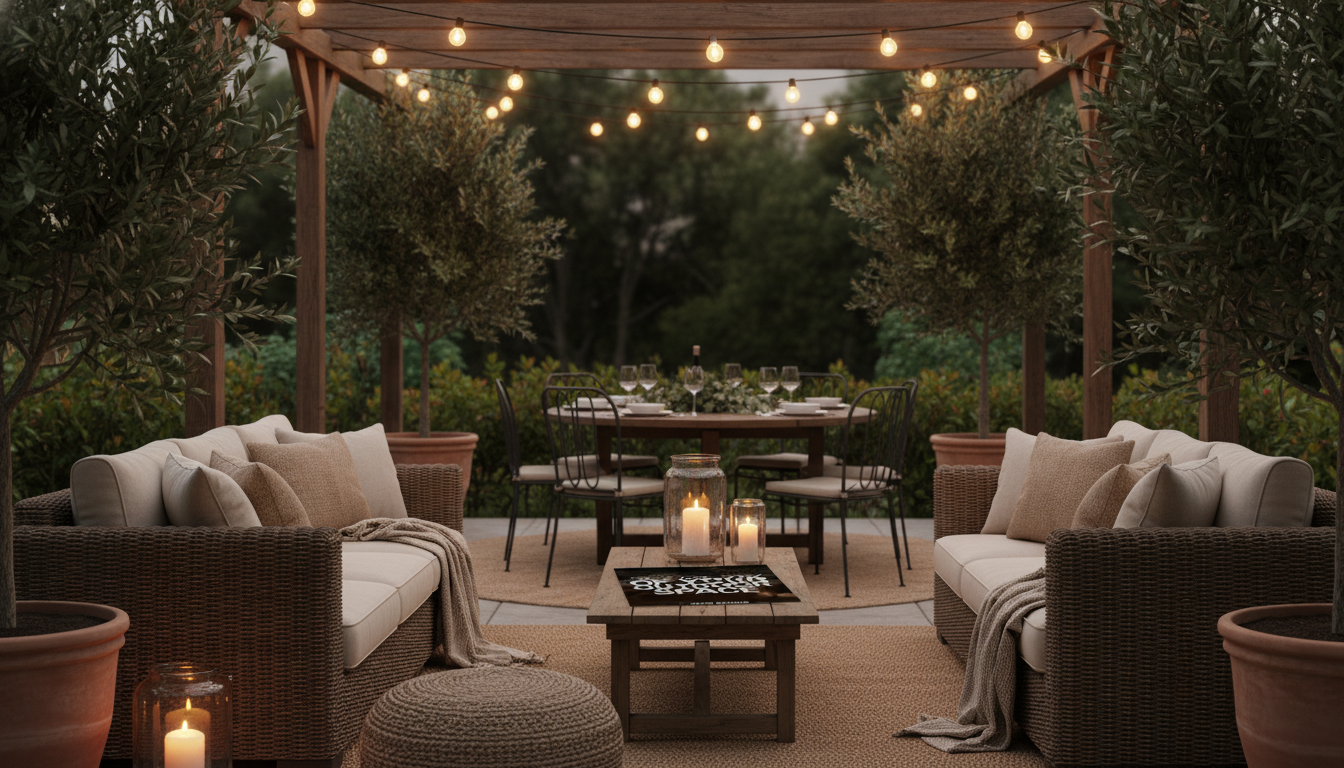
Make the Most of Your Outdoor Space: A Practical Checklist for Patio Decor, Entertaining, and Backyard Design
An outdoor area can feel like an extra room when comfort, flow, and function come first. The easiest way to get there is to make a few high-impact decisions in the right order—layout, shade, lighting, seating, styling, and upkeep—so upgrades are easier to plan and faster to finish, whether the goal is quiet daily use or hosting friends.
Start With How the Space Will Be Used
Before buying anything, decide what “success” looks like for your patio or backyard. A clear purpose prevents clutter and makes every future purchase more practical.
- Pick 1–2 primary purposes: everyday lounging, outdoor dining, family play, container gardening, or entertaining.
- List non-negotiables for each purpose (example: dining for 6, a serving surface, and lighting that works after sunset).
- Note constraints that shape the plan: sun exposure, wind, privacy, noise, drainage, and proximity to the kitchen.
- Decide what stays, moves, or stores seasonally to reduce visual clutter and keep walkways open.
Measure, Map, and Create Zones
Outdoor spaces feel “designed” when they’re organized into zones. You don’t need construction—just a simple map and a few visual boundaries.
- Measure the usable footprint, not just the total patio or yard—include door swings, steps, and circulation paths.
- Sketch simple zones: an eating zone, a conversation zone, and a “utility strip” for grills, bins, hose, or storage.
- Keep walkways comfortable so people don’t cut through seating groups to reach the grill or the door.
- Define zones without walls using outdoor rugs, planters, and lighting clusters.
| Area element | Rule of thumb | Why it helps |
|---|---|---|
| Main walkway | Keep a clear path from door to seating and dining areas | Prevents bottlenecks and improves flow during gatherings |
| Dining setup | Leave room to pull out chairs and walk behind seated guests | Makes meals feel relaxed instead of cramped |
| Conversation seating | Place seats close enough for easy conversation with a central surface | Encourages people to linger and chat |
| Grill/serving spot | Give the grill its own working space near prep/serve surfaces | Improves safety and keeps smoke away from guests |
| Planters & decor | Cluster items to frame zones, not scatter everywhere | Creates a cohesive look and reduces clutter |
Comfort Upgrades That Change Everything (Shade, Warmth, and Softness)
If the space isn’t comfortable, it won’t get used. Prioritize the “feel” upgrades that extend your outdoor hours.
- Add shade first if the area runs hot: umbrellas, sail shades, pergola covers, or tall plantings for partial screening.
- Plan for cool evenings with outdoor heaters, a fire pit (where allowed), or layered textiles that store quickly.
- Use outdoor-rated cushions and throws to make seating feel like indoor furniture—choose fabrics that resist fading and dry fast.
- Reduce glare and heat on hardscapes with rugs, layered planters, and lighter-toned accessories.
Lighting for Everyday Living and Entertaining
Great outdoor lighting is a mix of mood and safety. The most inviting patios use layers—not one harsh overhead source.
- Layer lighting: ambient (string lights/lanterns), task (grill or prep), and accent (uplights on plants, path lights).
- Prioritize safety by lighting steps, edges, and transitions between patio and lawn.
- Choose warm color temperatures for relaxation zones; cooler, blue-leaning light can feel stark at night.
- Use timers or smart plugs so lighting feels effortless and consistent.
For a simple foundation on fixture types and lighting layers, the American Lighting Association’s lighting basics is a helpful reference.
Patio Decor That Looks Pulled Together
Outdoor decor looks intentional when it’s repeated, balanced, and scaled to the space. Think “a few bigger anchors,” not dozens of small pieces.
- Pick a simple palette (2–3 core colors) and repeat it across cushions, planters, and accessories.
- Mix materials for depth: wood + metal, woven textures + stone or concrete, matte + a small amount of shine.
- Use anchors to keep styling grounded: a large planter pair, an outdoor rug, or a statement lantern set.
- Add height variation with tall plants behind seating, medium planters at corners, and low centerpieces on tables.
- Keep surfaces functional—leave space for drinks, serving trays, and games during gatherings.
Entertaining-Ready Setup: Seating, Serving, and Flow
Entertaining outdoors is smoother when guests naturally find places to sit, set drinks, and move around without interrupting conversation.
For reducing outdoor pests responsibly, review the EPA’s guidance on Integrated Pest Management and lean on prevention (standing water checks, tidy food zones, and targeted solutions) instead of over-spraying.
Maintenance and Seasonal Reset Checklist
Downloadable Checklist for a Faster Outdoor Refresh
Recommended downloads:
Make the Most of Your Outdoor Space Checklist (digital download)
and
Storage Hacks to Reduce Visual Clutter (printable checklist).
FAQ
What’s the best first upgrade for an outdoor space on a tight budget?
Start with comfort and function: define one zone, add shade or lighting (whichever is the bigger pain point), and upgrade seating feel with outdoor cushions or throws. Small changes that increase time spent outside usually have the biggest payoff.
How can a small patio feel bigger without remodeling?
Use zones and visual anchors like a single outdoor rug, compact multipurpose furniture, vertical planters, and layered lighting. Keep pathways clear and avoid scattering small decor items—cluster accessories to reduce clutter.
What should be included in an outdoor entertaining checklist?
Include seating count, extra surfaces for drinks, a serving/landing zone near the door, lighting for after sunset, bug control, discreet waste/recycling placement, and a quick reset routine (sweep, wipe, stage textiles).









Leave a comment