Glass Sideboard Styling: What to Display (and How)
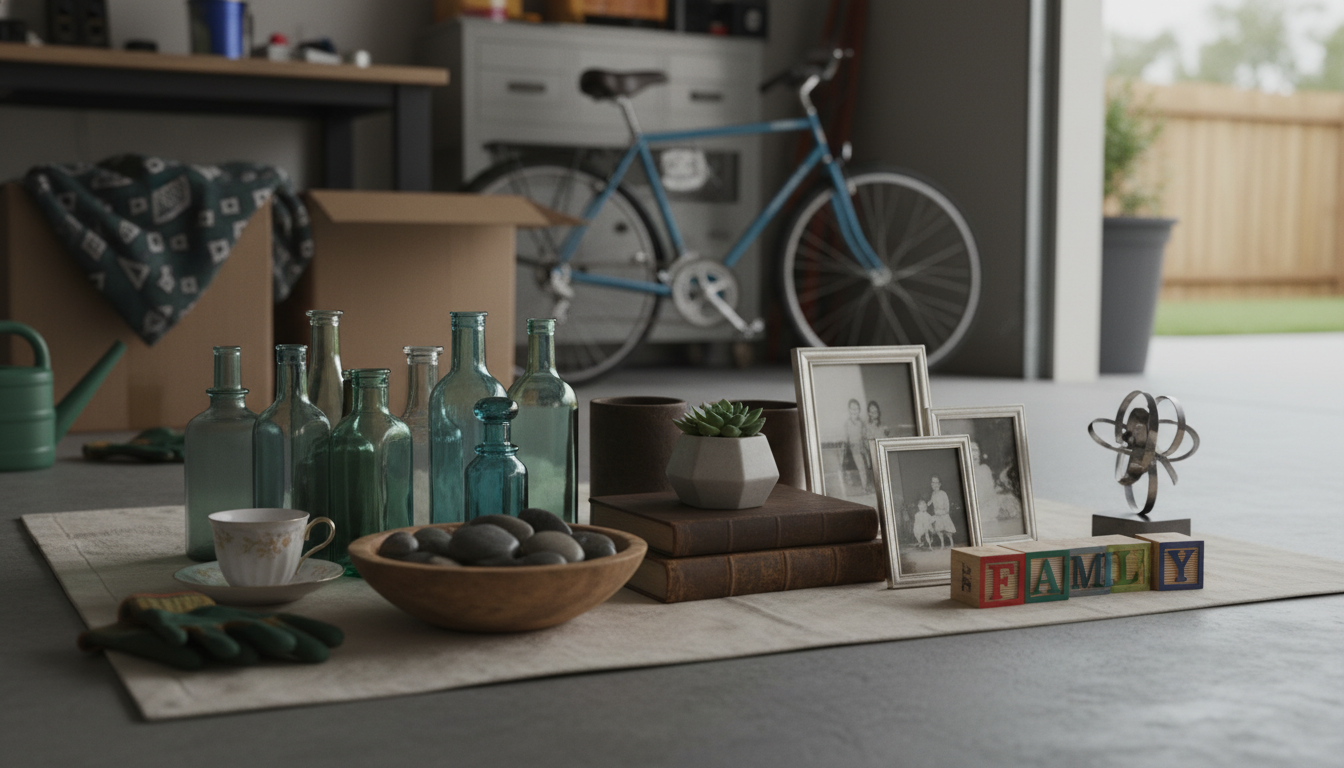
What to put in a glass sideboard?
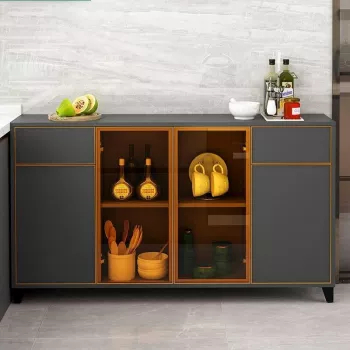
A glass sideboard looks best when it’s treated like a curated display instead of a catch-all cabinet. Choose a small group of items that match how the piece is used—dining storage, entertaining, or everyday organization—and keep enough open space so the glass feels light and intentional.
Best items to display (and why they work)
Dishware and serving pieces
Plates, bowls, cake stands, and serving platters are natural fits because they’re both practical and attractive. Stack plates in neat columns, stand a few platters upright at the back, and keep everyday items on the most reachable shelf.
Glassware and bar essentials
Wine glasses, tumblers, decanters, and a couple of favorite bottles create an “at-home bar” feel without clutter. Group by type and height (short in front, tall in back) to keep the display clean through the glass doors.
Linens and small hosting extras
Folded cloth napkins, placemats, and table runners add softness and color, especially when the rest is ceramic and glass. Store them in uniform stacks or in a shallow basket so they look tidy from every angle.
Decor accents with restraint
A few accents help a sideboard feel styled: a small vase, a sculptural bowl, or a framed photo leaning at the back of a shelf. Limit decor to one or two pieces per shelf so functional storage still wins.
Simple styling rules for a polished look
Use the “three-group” approach
Build shelves in small groupings (for example: stack of plates, pair of candlesticks, one vase). Repeating a material—like clear glass or white ceramic—ties everything together.
Balance symmetry and breathing room
Symmetry reads orderly behind glass, but perfect mirror images can feel stiff. Aim for balanced weight on each side while leaving some visible shelf space so the cabinet doesn’t look packed.
For more ideas
Find additional layouts, item pairings, and styling examples here: https://hometreasury.shop/what-to-put-in-a-glass-sideboard/.
FAQ
How do you style a sideboard for everyday use?
Keep daily essentials (plates, glasses, napkins) on the most accessible shelves and reserve higher or lower shelves for occasional pieces. Maintain a little empty space on each shelf so it stays easy to grab items without disrupting the display.










Leave a comment