Glass Display Cabinets: Curio, China Cabinet, Hutch & More

What are glass display cabinets called?
Glass display cabinets go by several common names, and the “right” term usually depends on how the piece is built and where it’s used. In homes, you’ll most often hear curio cabinet or display cabinet. In dining rooms, a glass-front storage piece may be called a china cabinet or hutch. In retail settings, a lockable glass case is frequently called a display case or glass showcase.
Common names and what they typically mean
Curio cabinet
A curio cabinet is designed to showcase collectibles—figurines, souvenirs, awards, or memorabilia. It often features glass on multiple sides, interior shelves (usually glass), and sometimes built-in lighting to highlight items.
Display cabinet
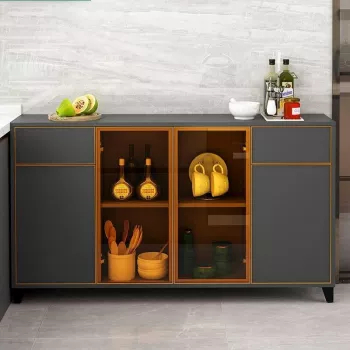
“Display cabinet” is a broad, catch-all term for any cabinet meant to show items behind glass. It can be modern or traditional, wall-mounted or freestanding, and may include drawers or closed storage below.
China cabinet
A china cabinet is traditionally used for dinnerware, crystal, and serving pieces. Many have glass doors on the upper portion for display, with enclosed cabinets or drawers underneath for linens and accessories.
Hutch
A hutch usually refers to a two-piece setup: a base cabinet plus an upper display section. The top may have glass doors (or open shelving), while the bottom provides concealed storage.
Glass display case / glass showcase
These terms are common in shops, galleries, and offices. They typically emphasize visibility and security—think sturdy glass panels, sliding doors, and optional locks.
How to choose the right term when shopping
If you’re browsing online listings, try matching the name to your goal: “curio cabinet” for collectibles, “china cabinet” for dining storage, and “glass display case” for a clean, showcase-style look. For more detailed examples and naming nuances, visit https://hometreasury.shop/what-are-glass-display-cabinets-called/.
FAQ
What is the difference between a curio cabinet and a china cabinet?
A curio cabinet is mainly for showcasing collectibles and often has glass on multiple sides. A china cabinet is traditionally meant for dining pieces and usually combines glass-front display space with more functional storage for tableware and linens.












Leave a comment