Oval Solid Wood Dining Table: Size, Style & Care
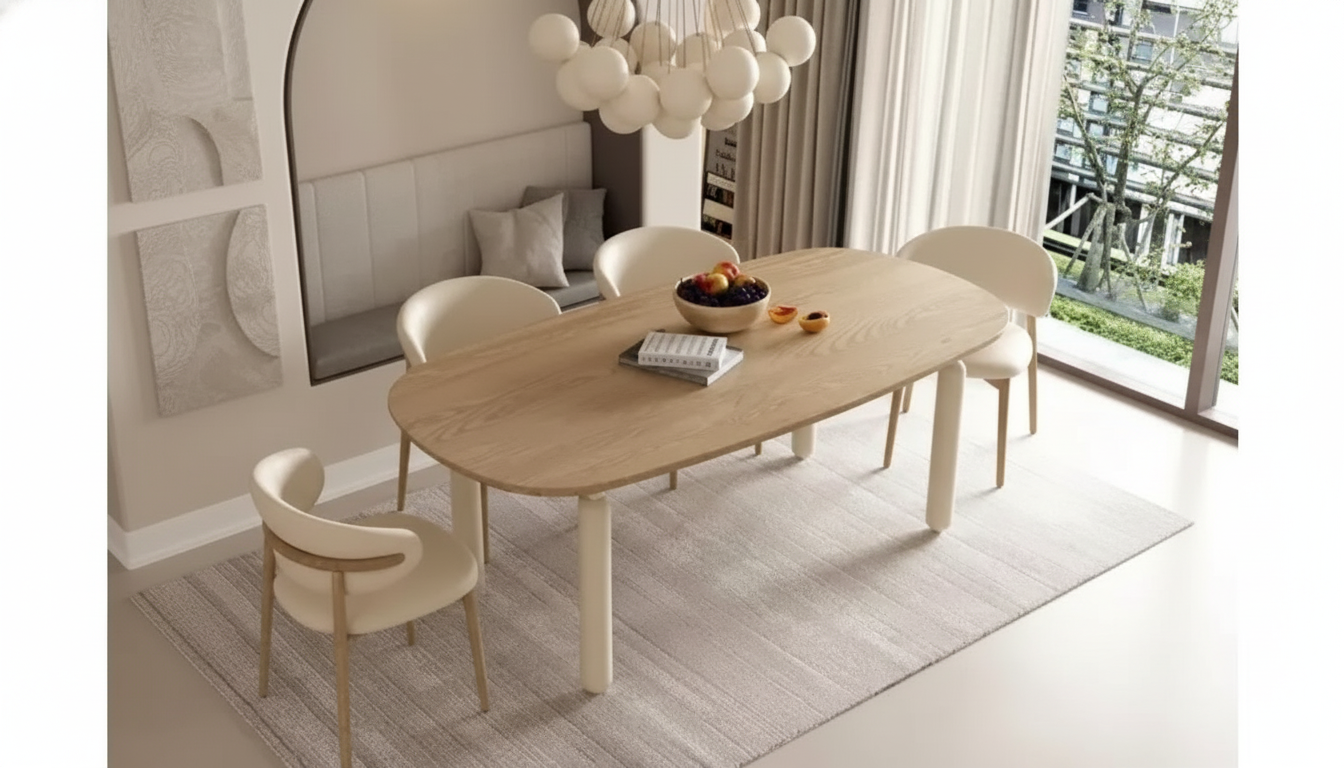
Elegant Oval Solid Wood Dining Table
An oval solid wood dining table brings the warmth of natural grain together with a shape that feels welcoming from every angle. This piece is designed to anchor everyday meals, weekend hosting, and long conversations—while fitting more naturally into walkways than many rectangular tables. The result is a dining centerpiece that looks tailored yet relaxed, with curves that soften a room and make it easier to move, mingle, and settle in.
What Makes an Oval Solid Wood Table Feel So Refined
Oval tables have a quiet confidence: they read polished without feeling stiff. Pair that with the depth and texture of real wood, and the room gains instant character.
- Softer silhouette: The oval edge reduces sharp corners, helping the room feel calmer and more fluid—especially in open-plan layouts.
- Conversation-friendly layout: Curved ends keep everyone within a more comfortable sightline than long rectangles.
- Natural character: Solid wood grain, tonal variation, and subtle texture read as elevated without needing extra ornament.
- Comfort in motion: Rounded corners are easier to navigate in tighter dining areas and are often more forgiving in homes with kids.
Design Details That Matter in Daily Use
A dining table gets handled, leaned on, slid around, and lived with. The details below are the difference between “looks great” and “works beautifully.”
- Top thickness and edge profile: A thicker top looks substantial; a softened edge can feel more contemporary and comfortable to rest arms against.
- Base style and leg placement: Center pedestals maximize knee space; four-leg bases can feel classic but may reduce end seating depending on placement.
- Wood movement and joinery: Solid wood expands and contracts seasonally; quality construction accounts for movement to reduce cracking or warping.
- Finish and sheen: Lower-sheen finishes tend to hide minor scratches; higher sheen can look formal but may show wear more easily.
- Weight and stability: A heavier build generally feels steadier for leaning, serving, and entertaining.
For a deeper technical read on why wood moves with moisture and seasons, the USDA Forest Service Wood Handbook is a trusted reference. For day-to-day furniture care best practices, the American Hardwood Information Center offers practical guidance.
Sizing and Seating: Planning for Comfort
Oval tables can seat generously, but comfort comes from spacing—not just counting chairs. Aim for a layout that supports easy pull-outs, natural foot traffic, and enough surface area for shared dishes.
- Allow breathing room: Keep clear space around the table so chairs can slide out comfortably and foot traffic stays natural.
- Consider chair width: Upholstered chairs typically need more elbow room than slim wood or metal frames.
- Think beyond headcount: Serving dishes, centerpieces, and shared platters take surface area—especially for gatherings.
- Match scale to the room: An oversized table can make a dining space feel cramped; an undersized one may feel temporary or out of proportion.
Quick Planning Guide for Oval Dining Tables
| Room & use case | Typical oval length | Comfortable seating | Notes |
|---|---|---|---|
| Compact dining nook | 60–72 in | 4–6 | Prioritize armless or slim-profile chairs; keep walkways clear. |
| Everyday family dining | 72–84 in | 6 | Balances daily use with occasional hosting; consider stain-resistant finishes. |
| Frequent hosting | 84–96+ in | 6–8 | Plan space for serving; a pedestal base can improve knee room. |
| Open-plan entertaining | 84–96+ in | 6–8 | Oval edges help soften sightlines and improve circulation around the dining zone. |
Styling Ideas: From Quiet Luxury to Warm Modern
Because an oval table already adds movement, styling works best when it feels intentional and not overloaded. Let the wood grain lead, then layer in texture and light.
Care and Long-Term Maintenance
Product Spotlight: Elegant Oval Solid Wood Dining Table
If the goal is a dining room that feels elevated but livable, the Elegant Oval Solid Wood Dining Table is designed to deliver that balance. Solid wood brings depth and presence, while the oval profile supports smoother circulation—especially helpful in dining spaces that connect directly to kitchens and living areas.
Complete the Room with Complementary Pieces
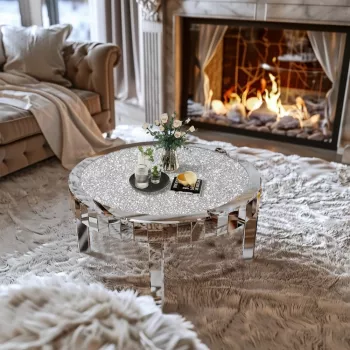
- Reflective accents: Add shimmer near the dining-adjacent seating area with the Elegant Mirrored Coffee Table with Crystal Inlay to brighten the room and elevate entertaining.
- Natural-wood continuity: Create a cohesive work-and-dine aesthetic with the 62″ Executive Desk with Double Pedestal and Natural Wood Top in an office or flex space.
- Keep surfaces visually calm: Use the Storage Hacks to Reduce Visual Clutter (Printable Checklist) to streamline daily routines so the dining table stays the focal point.
FAQ
How many people can an oval dining table seat comfortably?
Seating depends on the table length, base design (pedestal vs. legs), chair width, and how much elbow room you prefer. As a general guide, 60–72 inches often seats 4–6, 72–84 inches seats about 6, and 84–96+ inches can seat 6–8 comfortably.
Is solid wood harder to maintain than veneer?
Solid wood can be more sensitive to humidity changes, but it’s also more repairable because it can often be refinished. With simple habits like coasters, trivets, and gentle cleaning, solid wood is very manageable for everyday use.
What shape rug works best under an oval dining table?
Rectangular rugs are most common because they provide broad coverage under chairs, but an oval rug can look tailored if sized correctly. The key is choosing a rug large enough that chairs remain on the rug even when pulled out.










Leave a comment